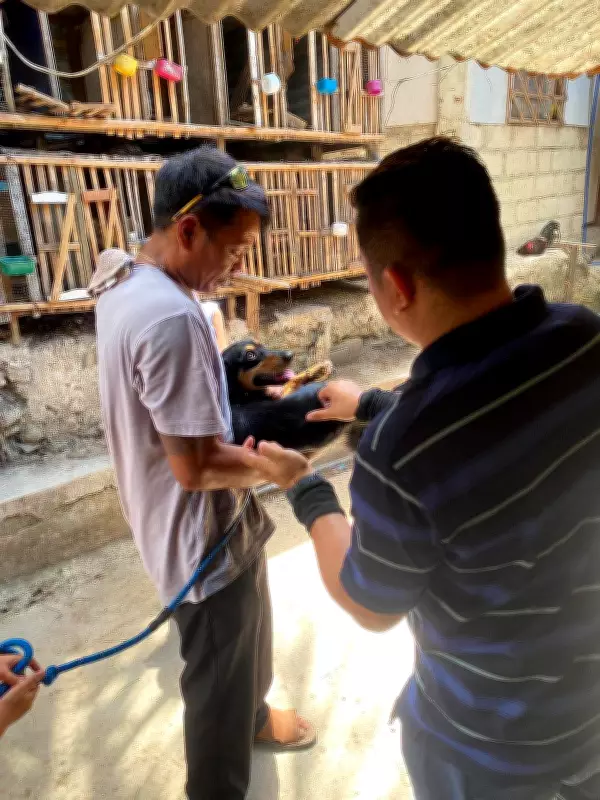
Cebu City is grappling with a shortage of anti-rabies vaccines, attributed to reduced budget allocations for veterinary biologics and increased demand amid rising rabies concerns and expanded vaccination efforts in barangays. The Department of Veterinary Medicine and Fisheries (DVMF) disclosed this development, highlighting mounting challenges in the city's rabies prevention program.
Budget Constraints and Rising Demand
DVMF head Jessica Maribojoc explained that the current supply gap stems from lower allocations for veterinary drug and biologics procurement, coupled with growing demand for vaccines due to increasing rabies-related concerns from 2025 to 2026. She noted that the deployment of more trained vaccinators in barangays also contributed to faster vaccine consumption as the city intensified its anti-rabies campaign.
"The increased demand for rabies vaccines was also driven by rising rabies cases and the availability of trained vaccinators in the barangays," Maribojoc said.

Vaccination Coverage Gap
The DVMF revealed that Cebu City still needs approximately 10,000 to 11,000 vaccine vials to meet the recommended vaccination coverage needed to effectively control and prevent the spread of rabies among dogs. According to Maribojoc, the city has vaccinated 10,903 dogs this year, while the total number of vaccinated animals, including cats, has reached 16,220.
Using the city's 2016 baseline dog population of 167,261, the DVMF said Cebu City needs to vaccinate at least 117,083 dogs annually to meet the minimum 70 percent vaccination coverage recommended by the World Health Organization (WHO). Based on current figures, the city still needs to vaccinate around 106,180 more dogs to achieve the target.
Herd Immunity Threshold
Maribojoc explained that the 70 percent benchmark is internationally recognized as the minimum threshold needed to achieve herd immunity and interrupt rabies transmission among dogs. "The World Health Organization has established that vaccinating at least 70 percent of the at-risk dog population annually is the minimum threshold required to achieve herd immunity," she said, citing guidance from both the WHO and the World Organisation for Animal Health.
Dog Population Estimates Vary
The DVMF also noted that Cebu City's estimated dog population varies depending on the computation model used. Records show that the city's 2016 baseline placed the dog population at 167,261. However, newer projections based on human population ratios estimate the current dog population at between 106,200 and 265,500.
Previous Shortages and Current Situation
Maribojoc said the vaccine shortage was already present when she assumed office as officer-in-charge in January 2026. She noted that during her previous stint as OIC from June 2021 to May 2024, the department consistently sought increased allocations for veterinary biologics, which helped prevent shortages during that period and allowed vaccine supplies to last until 2025. "This was the reason why we did not experience any shortage of rabies vaccines during that period," she said.
Proposed Ordinance on Responsible Pet Ownership
The issue on the city's limited vaccine supply surfaced during a public hearing on a proposed ordinance authored by Councilor Paul Labra II. The ordinance seeks to institutionalize guidelines on responsible pet ownership, humane community pet care, and stray animal management in Cebu City. During the discussions, councilors raised concerns over the city's ability to strengthen vaccination campaigns and enforce stricter pet ownership policies amid the shortage.
The proposed ordinance aims to address increasing stray animal concerns, animal bite incidents, low vaccination coverage, and improper disposal of pet waste, while also promoting pet registration and microchipping as part of the city's broader rabies prevention and animal welfare efforts.