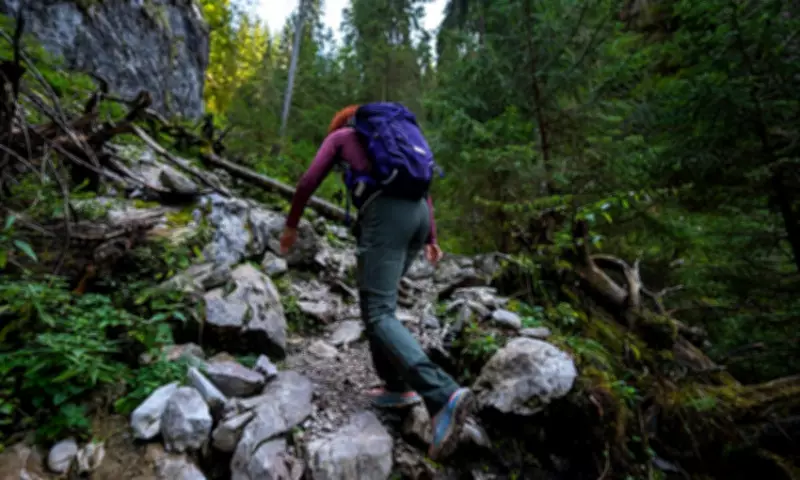
We often see perplexing questions on social media such as, "Does anyone actually do research in the mountains?" It isn't an elaborate joke; some people genuinely believe this. It is a disheartening realization. If we have to ask whether anyone researches the wilderness, are we far off from asking, "Why does anyone even hike in the mountains?"
There is still so much left to discover in secluded and unexplored terrain. However, there is growing concern that we are approaching a future in which the pursuit of knowledge is viewed with suspicion — where documenting the unknown is unfairly linked to something dangerous.
This isn't just a theoretical concern; we see this tension play out in remote places and highland communities. In these dense forests, a researcher carrying a GPS tracker or a camera trap isn't always seen as a scientist documenting biodiversity; they are often viewed through a lens of suspicion.

The Tragic Story of Leonard Co
The ultimate tragedy of this suspicion is the story of Leonard Co. A world-renowned ethnobotanist and the country's leading authority on medicinal plants, Co spent his life documenting the flora of the Philippines' most remote ridges. He even has a species of the corpse flower named after him: Rafflesia leonardi. In 2010, while he was in the mountains of Leyte specifically to study and tag trees for forest restoration, he and his team were killed in a reported crossfire — an incident that his peers and human rights groups heavily disputed, claiming that the scientists were targeted while simply doing their jobs.
According to an ABS-CBN News report, Co was killed on Nov. 15, 2010, in Kananga, Leyte, alongside forest guard Sofronio Cortez and guide Julius Borromeo after soldiers from the 19th Infantry Battalion allegedly mistook their botanical team for rebels and opened fire. November 2025 marked the 15th death anniversary of the "People's Botanist." During the memorial, his wife, Glenda, remembered him not just as a passionate scientist but also as a devoted family man who would call to check on them even while out in the field.
When Science Becomes Suspicious
When the simple act of mapping a species becomes a "suspicious activity," we risk losing the very experts who make these mountains accessible and safe for the rest of us. Our ability to enjoy the outdoors is built entirely on the labor of researchers and local communities.
This body of knowledge is not built in a vacuum. Most researchers will tell you that their work begins with the people who have lived in the shadows of these peaks for generations. It is the community guides and indigenous elders who first pointed out which streams never run dry and which slopes are prone to landslides after heavy rain. Science provides the formal data, but local wisdom provides the original map.
When we bridge the two, the mountain stops being a place of peril and becomes a place of understanding. We enjoy the wilderness today because Filipino pioneers stepped into the unknown first.
Filipino Pioneers in Mountain Research
The geologists: Experts like Mahar Lagmay have spent decades documenting volcanic behavior and landslide risks. Their research helps predict hazards, ensuring that mountain trails do not become sites of disaster.
The biologists: The late Perry Ong was a champion of the Philippine Eagle and the protection of forest corridors. His work ensured that the biodiversity hikers love to photograph actually has a home to return to.
The botanists: Scientists like Edwino Fernando continue to study forest taxonomy, helping categorize and protect the very trees that provide the canopy we trek beneath.
We often forget that the "safety" of a trail was earned through this combined study. We owe our summits to those who treated the mountain not merely as a playground, but as a living laboratory.
So Yes, People Really Do Research in the Mountains
Ultimately, the work of these researchers matters because knowledge is the difference between adventure and tragedy. When we dismiss mountain research as unnecessary or, worse, treat it with political suspicion, we are not just hurting academics — we are blinding ourselves to the reality of the land we claim to love exploring.

We hike with confidence today because someone else faced the danger first. Someone else stood in the path of the volcano, touched the toxic leaf and mapped the unstable ridge so we would not have to. To protect our mountains, we must first protect the people who study them.