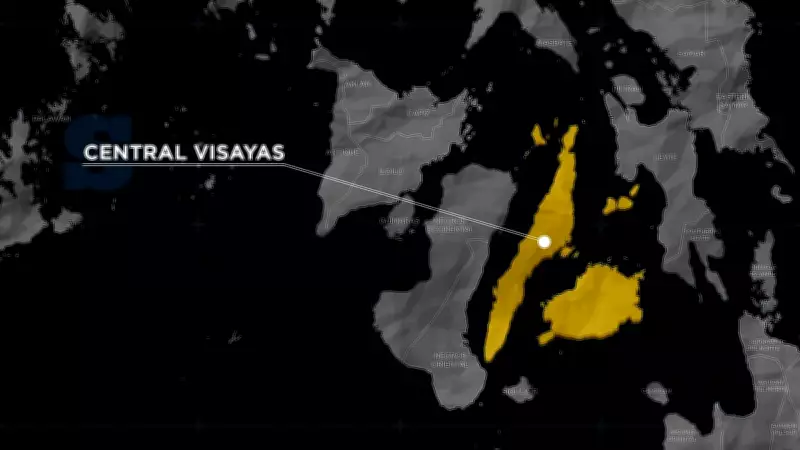
The Central Visayas region continues to be a hotspot for human immunodeficiency virus (HIV) cases in the Philippines, according to health experts. The persistent rise in cases is attributed to ongoing transmission and gaps in access to healthcare services.
Based on the latest report from the HIV & AIDS Surveillance of the Philippines by the Department of Health (DOH), Central Visayas has recorded a total of 12,137 HIV cases since 1984. This accounts for seven percent of all cases nationwide.
The region remains in the top five areas with the highest number of HIV cases in the country, alongside the National Capital Region (NCR), Calabarzon, Central Luzon, and Davao Region. While Metro Manila still leads in the number of infected individuals, Central Visayas has emerged as one of the largest and most persistent HIV centers outside Luzon.

Health officials attribute the high number of cases in the region to various factors, including urban migration, tourist movement, sexual activity among vulnerable groups, and the lingering impact of a past outbreak linked to syringe or needle use in illegal drugs.
The latest report shows that nearly all—or 99 percent—of HIV cases in the Philippines acquired through the sharing of contaminated needles were recorded in Central Visayas. The region gained global attention when an HIV outbreak occurred among people who inject drugs in Cebu over a decade ago. Experts say this crisis has left a significant impact on the current situation.
However, sexual contact is now the primary mode of HIV transmission in the country, a trend also observed in Region 7. Nationwide, 96 percent of HIV infections are acquired through sexual contact, with male-to-male sex accounting for the majority of new cases.
Young Filipinos remain the most affected, with individuals aged 15 to 34 making up over three-quarters of new infections detected from January to March 2026. In Central Visayas alone, 228 new HIV cases were recorded in the first quarter of 2026, placing the region sixth nationwide in newly diagnosed cases during this period.