The global market for sustainable agricultural products is witnessing a significant shift in demand, with emerging economies in the Asia-Pacific region taking the lead in consumption growth. This trend is highlighted in a key chapter of the international report, "The State of Sustainable Markets 2025," authored by policy analyst Erika Luna of the International Institute for Sustainable Development (IISD).
Sustainable Markets Shift Eastward
For years, consumers in Europe and North America have driven the demand for goods certified by Voluntary Sustainability Standards (VSS). These standards verify that products like coffee and cocoa are produced in an environmentally and socially responsible manner. However, the new analysis suggests this dynamic is changing. Traditional Western markets are now showing signs of stagnation or even decline in some sectors, pressured by economic challenges and evolving consumer spending habits.
In contrast, nations across Asia-Pacific and Latin America are displaying strong, promising growth trajectories. This surge is fueled by a powerful combination of rising urban middle-class incomes, greater environmental awareness, and the rapid spread of digital commerce platforms that make these products more accessible.

Asia-Pacific Leads in Key Commodities
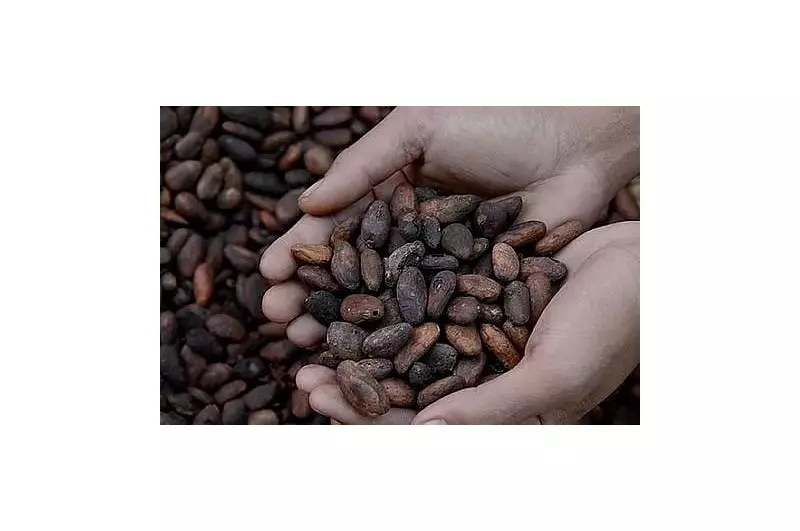
The report singles out several commodities where Asian markets are making remarkable strides. Citing data from Mordor Intelligence, Luna notes that the cocoa market in Asia-Pacific is experiencing the fastest regional growth globally, with a projected compound annual growth rate (CAGR) of 9.62 percent through 2030.
The story is similar for coffee, where digital marketplaces and growing consumer interest in health and ethics are boosting sales of sustainable-certified products. In the palm oil sector, emerging markets are achieving meaningful gains from previously low baselines, with Indonesia, Singapore, and Malaysia playing leading roles. Furthermore, Asian cotton-producing countries are consuming more sustainable cotton, and domestic tea markets in giants like China and India hold massive untapped potential for VSS-certified products.
Barriers to Overcome in Emerging Economies
Despite the optimistic outlook, significant hurdles remain. Price sensitivity is the primary constraint, as certified sustainable products often carry a premium of 10 to 30 percent, a cost many middle-income consumers cannot readily absorb. Luna points out that most emerging economies lack regulatory incentives or mandatory sustainability rules, meaning market expansion relies solely on voluntary corporate action and consumer purchasing power.
This creates a challenging paradox: while production of many sustainable commodities is high in these regions, producers remain heavily dependent on Western markets because domestic consumption is still limited. Unlocking local demand is critical for the next phase of growth.
The Broader Impact of Sustainability Standards
The "State of Sustainable Markets 2025" report, a collaborative effort by the International Trade Centre, the Research Institute of Organic Agriculture, and IISD, underscores the vital role these standards play in global trade. They provide a framework for ethical business conduct, help companies prepare for future regulations, and drive innovation. The report, which includes 2023 data, confirms that growth in certified areas has resumed after a dip in 2020.
Ultimately, VSS certifications act as a powerful signal to consumers, demonstrating a company's commitment to responsible practices and enhancing its reputation in an increasingly conscientious marketplace.