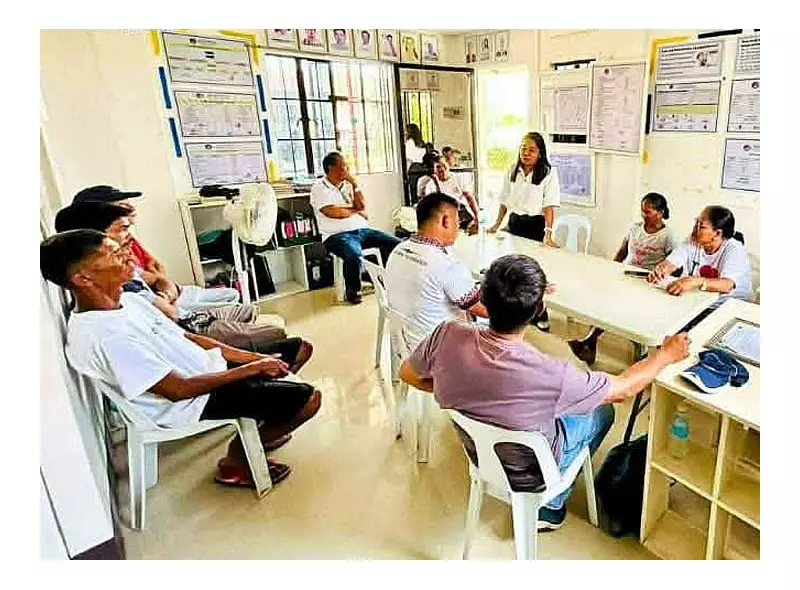
A farmers' group in Zamboanga Sibugay is implementing a coordinated planting strategy designed to significantly increase agricultural output and improve water management.
Strategic Meeting Sets New Agricultural Plan
The pivotal discussion took place during a Turn-Out Service Area Group (TSAG) meeting held last week with the Ginto Sa Sakahan Irrigators’ Association (IA) in Balangao village, Diplahan. The meeting was spearheaded by Engineer Maria Gertrudes Gania, the acting manager of the National Irrigation Administration–Zamboanga Sibugay Irrigation Management Office (NIA-ZSI MO).
Attendees included the association's officers and Board of Trustees, led by IA President Rey Jovinal, alongside personnel from NIA's Institutional and Operations units. The central agenda was the formal adoption of a synchronized cropping system across member farms.

Focus on Coordination and Efficiency
Engineer Gania explained that the core of the plan is the strict implementation of an agreed-upon cropping calendar. This synchronized approach aims to achieve three primary goals:
- Improve overall harvest outcomes and farm productivity.
- Promote orderly and systematic farm operations within the irrigation service area.
- Ensure the efficient and equitable distribution of irrigation water to all member farmers.
"The activity served as a venue to strengthen coordination between NIA and farmer-members in managing irrigation operations and aligning farm production activities," Gania stated.
Shared Responsibility for Sustainable Farming
Gania emphasized that the success of this irrigation and cropping strategy hinges on collective farmer participation. She noted that when farmers plant and harvest on a coordinated schedule, it reduces production risks, minimizes pest and disease pressure, and leads to far more effective water management. This collective action is a cornerstone of sustainable agricultural practices.
She underscored that effective irrigation management is a shared responsibility between NIA and its partner Irrigators’ Associations. By working closely with these groups, NIA aims to continuously strengthen irrigation services and boost agricultural productivity throughout Zamboanga Sibugay province.
The move toward synchronized cropping in Diplahan marks a proactive step by local farmers to modernize their practices, aiming for greater food security and economic stability through improved harvests and resource conservation.