A bold private-sector initiative is positioning the Philippines to become a major global producer of Wagyu beef, aiming to strengthen food security while creating thousands of rural jobs.
Wagyu, a Japanese beef prized for its tenderness, rich flavor, and intense marbling, is at the center of the campaign dubbed the “1-M Wagyu Crusade.”
Integrated Farming Approach
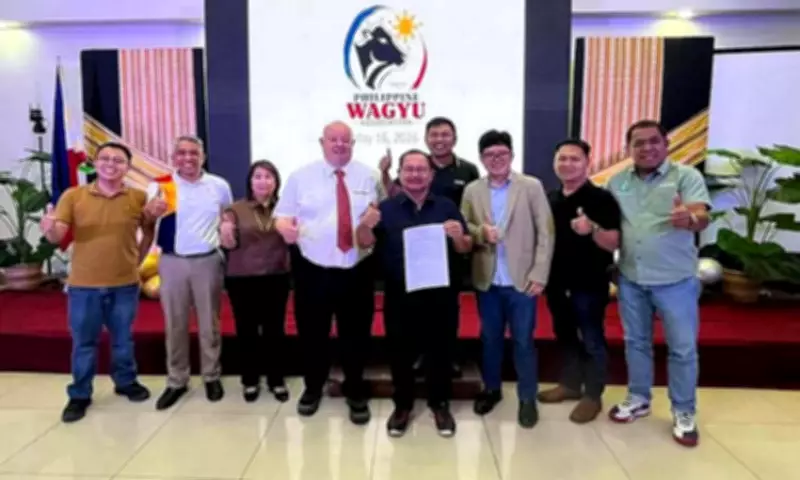
Former Agriculture Secretary Emmanuel Piñol, who convened cattle farming stakeholders during the Davao Wagyu and Sorghum Forum on May 16, 2026, said the program promotes integrated farming and cattle production as a sustainable path to meet the country’s growing food needs. He noted beef’s advantages over pork and poultry: fewer biosecurity threats, independence from commercial feeds, and resilience against import surges.

The initiative begins with 1,200 breeders at Great Arch Farm, targeting one million Wagyu cattle by 2027 and scaling to 10 million by 2037.
“The initiative outlines a three-step approach—sorghum and soybean cultivation for high-quality feeds, feed production including grains, silage, and full-fat soya, and livestock raising for poultry, aquaculture, and high-value cattle such as Wagyu,” Piñol explained.
Economic Projections
Projections from the campaign include P31 billion yearly farmer income from forage harvesting, 250,000 rural jobs in silage processing, and P400 billion annual beef earnings from 200 million kilos of Wagyu.
“Wagyu has a higher value with the same time and effort compared to ordinary cattle, with prolific calving and easier handling for farmers,” Piñol said, adding that it offers premium export potential and better meat quality for Filipino households.
He stressed that boosting Wagyu production could transform the Philippines into a global Wagyu powerhouse while empowering rural communities.
“We dream of the Philippines as a supplier of Wagyu,” he added.
Reducing Import Dependence
The integrated approach, Piñol said, can reduce reliance on imports, stabilize local food supply, and open opportunities for Filipino farmers to enter high-value livestock markets.
As of 2025, the Philippine Statistics Authority reported a total cattle inventory of about 2.6 million heads, with 82–83 percent raised by smallholder or backyard farms and the rest by semi-commercial and commercial operations.