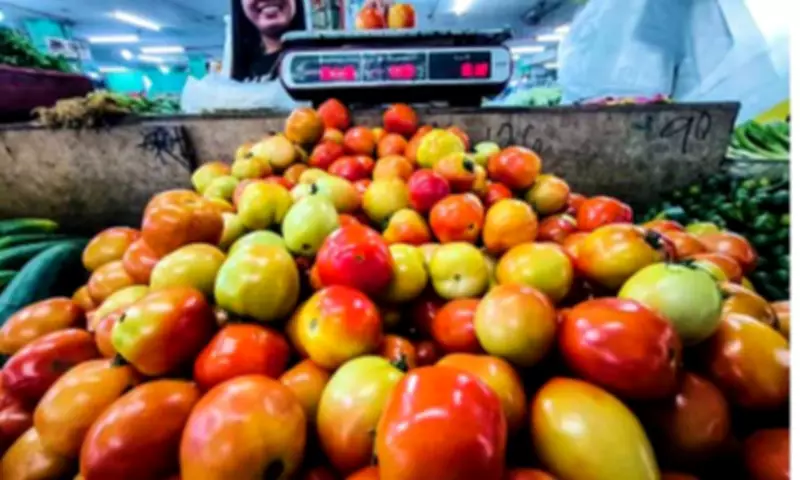
The Department of Agriculture has initiated emergency measures to safeguard tomato farmers across the Philippines as farmgate prices experience a dramatic collapse, dropping to as low as PHP7 per kilogram in several major agricultural provinces. This price plunge represents a significant threat to farmer livelihoods just as the peak harvest season approaches.
Price Monitoring and Verification Underway
According to recent data compiled by the Samahang Industriya ng Agrikultura (SINAG), tomato farmgate prices have plummeted to PHP7 per kg in Mountain Province, Nueva Vizcaya, Nueva Ecija, and Tarlac. These figures represent a severe reduction from sustainable income levels for agricultural producers.
In a virtual interview, DA spokesperson Assistant Secretary Arnel De Mesa confirmed that the Agribusiness and Marketing Assistance Service (AMAS) is conducting continuous monitoring to verify actual prices on the ground. "We're coordinating with them to ensure accurate data collection," De Mesa stated, emphasizing the department's commitment to real-time assessment.

Immediate Interventions Deployed
DA Secretary Francisco Tiu Laurel Jr. has directed regional field offices to implement several immediate interventions. These include identifying which offices can directly purchase tomatoes from farmers and establishing marketing arrangements to stabilize prices.
The department is exploring multiple channels for tomato distribution, including selling produce through Kadiwa ng Pangulo (KNP) outlets. "That's one of the possible interventions from our regional field offices," De Mesa explained, highlighting this as a direct market access strategy.
Coordinated Response with Local Governments
Another critical component involves coordination between DA regional offices and local government units, along with other potential stakeholders. This collaboration aims to assess and strengthen market linkages to ensure reasonable buying prices before the peak harvest period arrives.
"The LGUs have ways to help their local farmers, and we can check the marketing agreements," De Mesa noted. "At the same time, we want to prevent possible disposal of produce later on," he added, referencing previous instances when tomato prices dropped to as low as PHP5 per kg.
Peak Season Concerns and Income Thresholds
The timing of this price collapse is particularly concerning as the harvest season for local tomatoes typically peaks from March to May. SINAG executive director Jayson Cainglet emphasized that tomato buying prices must reach at least PHP15 per kg to ensure farmers achieve sustainable income levels.
This PHP15 threshold represents more than double the current PHP7 farmgate price reported in affected regions, highlighting the severity of the current market situation for agricultural producers.
Long-Term Solutions Considered
Beyond immediate interventions, the Department of Agriculture is examining longer-term strategies to address seasonal price volatility. De Mesa identified the establishment of tomato processing facilities as a potential solution to manage surplus production and prevent future price collapses during peak harvest periods.
This infrastructure development would provide alternative markets for tomato crops and create value-added products, potentially stabilizing farmer incomes across multiple growing seasons.
The current crisis underscores the vulnerability of agricultural markets to seasonal fluctuations and the importance of coordinated government response. As monitoring continues and interventions are implemented, the Department of Agriculture remains focused on protecting farmer livelihoods during this critical period.