The Cebu Chamber of Commerce and Industry (CCCI) is positioning trust, discipline, and long-term planning as the cornerstones of Cebu's strategy to attract more Japanese investment, moving beyond mere marketing to build lasting credibility. According to CCCI president Jay Yuvallos, this approach is crucial as the province leverages decades of business engagement and cultural exchange with Japan to strengthen economic ties.
Building on Decades of Trust and Cultural Exchange
Yuvallos highlighted that Cebu's relationship with Japan is deeply rooted in social and cultural connections that have fostered significant trust over the years. He emphasized that this trust serves as the fundamental basis for business, noting that Japanese firms have established a strong presence in Cebu across various sectors, including manufacturing, shipbuilding, and export processing zones. While Japanese tourism and investment experienced a slowdown during the Covid-19 pandemic and have not fully rebounded to pre-pandemic levels, Yuvallos asserted that the core fundamentals of the relationship remain robust, supported by enduring business confidence and people-to-people ties.
Focus on Creative Industries and Value Chain Advancement
The CCCI is actively promoting creative industries such as animation, game development, and digital entertainment as key growth areas with Japan as a potential partner. Cebu already hosts firms that provide subcontracting services to Japanese and US companies, showcasing a rich pool of creative and technical talent. Yuvallos explained that the chamber's current focus is on assisting local firms in moving up the value chain toward higher-value partnerships. This shift requires closer alignment with Japanese business standards, particularly in quality, scale, and consistency, especially as Japan faces workforce challenges due to its aging population. Yuvallos added that Cebu is well-positioned to respond to these opportunities if it maintains discipline in execution.

Stricter Standards and Broader Economic Growth
To reinforce this alignment, the CCCI has adopted stricter standards across its programs, including punctuality, clear schedules, and defined accountability—practices designed to mirror expectations in Japanese business environments. Beyond the creative sectors, Cebu's broader economy continues to expand, consistently posting growth rates above the national average despite recurring challenges such as natural disasters and infrastructure gaps. This growth is driven by a collaborative and engaged business community that remains resilient in the face of obstacles.
Long-Term Cooperation in Infrastructure and Climate Resilience
As the Philippines and Japan celebrate 70 years of diplomatic relations, the CCCI is eyeing long-term cooperation in infrastructure, urban planning, and climate resilience. In early 2026, the chamber plans to lead a multi-sector delegation of business leaders and local government officials to Japan to study approaches to flood control, urban planning, and infrastructure governance. Locally, the CCCI is backing its vision with concrete investments, including breaking ground on a new phase of development at its headquarters. This expansion includes facilities designed to support innovation, collaboration, and long-term capacity building, with part of the existing building being converted into an innovation hub for climate resilience programs, academe-industry collaboration, startup pitching spaces, and SME showrooms.
Aboitiz Economic Estates Strengthens Japanese Ties with Tokyo Office
In a related development, Aboitiz Economic Estates has formally established a Japan Office in central Tokyo, a move expected to strengthen Japanese manufacturing investments in Cebu by shortening decision timelines and improving coordination with Philippine operations. The company stated that this office institutionalizes its long-standing engagement with Japanese partners by placing support closer to Japan-based headquarters, allowing for earlier alignment on project requirements and faster responses as firms expand or scale up in the Philippines.

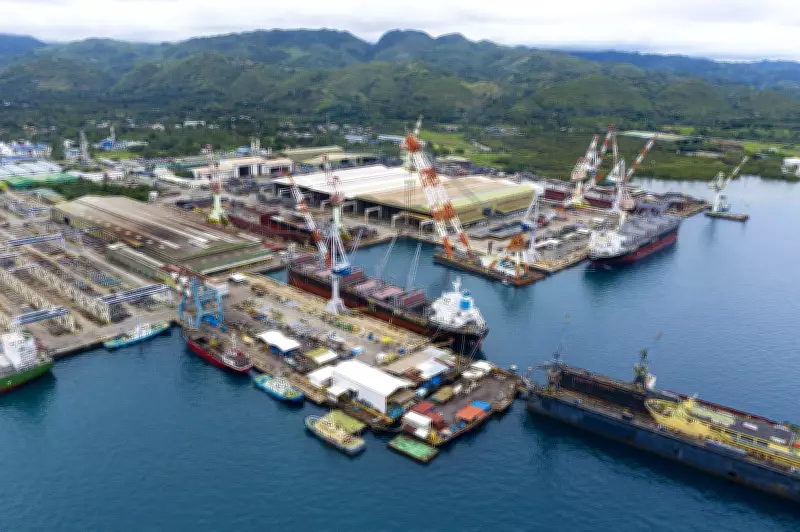
For Cebu, which is home to the West Cebu Estate—a 540-hectare Peza-registered special economic zone in Balamban known as the shipbuilding capital of the Philippines—this initiative is seen as a key driver of sustained industrial growth. The West Cebu Estate, anchored by Tsuneishi Heavy Industries (Cebu) Inc., has supported the country's shipbuilding industry for over 30 years, helping position the Philippines as the world's fourth-largest shipbuilder by gross tonnage. The new Japan Office, led by Kazuaki Shirozono as senior adviser for global market strategy and development, aims to reduce friction in site selection, permitting, and project execution, areas critical to foreign manufacturers. By establishing a dedicated presence in Japan, Aboitiz Economic Estates seeks to position Cebu more competitively as a manufacturing and investment destination, reinforcing partnerships that support long-term industrial and employment growth in the province.