Dole-Davao Clarifies Wage Regulations for Upcoming February Holidays in 2026
The Department of Labor and Employment–Davao Region (Dole-Davao) has issued a timely reminder to employers and employees across the region regarding the proper wage rules for the upcoming February holidays in 2026. This advisory aims to ensure compliance and fair compensation during these special days.
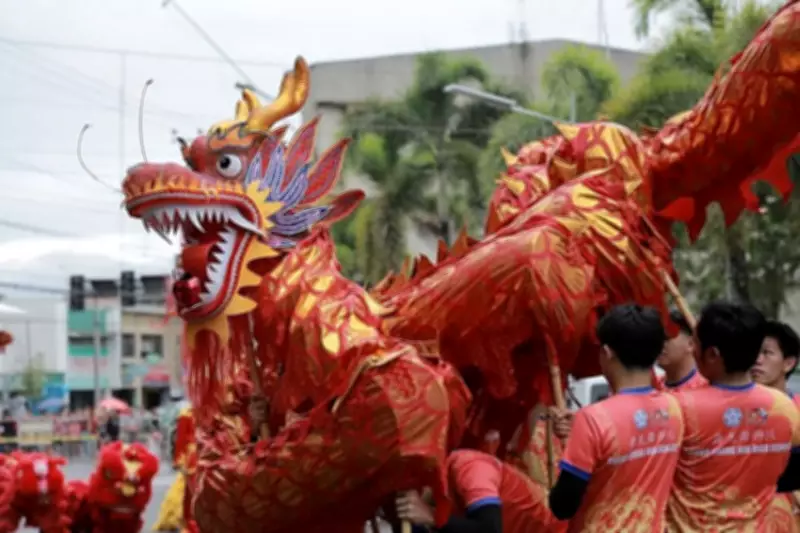
Chinese New Year: Special Non-Working Day on February 17
In its Labor Advisory No. 1, Series of 2026, Dole-Davao specified that February 17, which marks Chinese New Year, is designated as a special non-working day. For this holiday, the standard "no work, no pay" principle applies, unless a company has established policies that provide otherwise. However, employees who choose to work on this day are entitled to specific benefits:
- An additional 30 percent of their basic wage for the first eight hours of work.
- Overtime pay requires an extra 30 percent of the hourly rate on top of the regular overtime calculations.
If Chinese New Year happens to fall on an employee's scheduled rest day, the compensation rules adjust accordingly. In such cases, employers must pay a 50 percent premium for the first eight hours worked, with overtime still calculated at an additional 30 percent of the hourly rate.

Edsa People Power Revolution Anniversary: Special (Working) Day on February 25
For February 25, which commemorates the Edsa People Power Revolution Anniversary, Dole-Davao clarified that this is classified as a special (working) day. Similar to Chinese New Year, the "no work, no pay" rule is in effect unless company policies offer alternative arrangements. Employees who work on this day are entitled to:
- 100 percent of their regular wage for hours worked, reflecting the day's working status.
- Overtime pay at an extra 25 percent of the hourly rate, as per standard overtime regulations.
This classification stems from Proclamation No. 1006 issued by President Ferdinand "Bongbong" Marcos Jr., which declared February 7, 2026, as a special non-working day for the Chinese Spring Festival and February 25 as a special non-working holiday for the 40th anniversary of the Edsa People Power Revolution. The proclamation highlighted that Edsa ushered in significant political, social, and economic reforms, justifying its observance as a special (working) day to honor its historical impact.
Dole-Davao emphasizes that these guidelines are crucial for maintaining labor standards and ensuring that both employers and employees are well-informed about their rights and responsibilities during these holidays. Employers are encouraged to review their internal policies to align with these regulations and avoid potential disputes.