DepEd Advocates for Unified Education Framework to Build Future-Ready Workforce
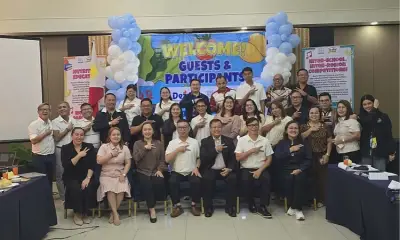
The Department of Education (DepEd) has underscored the critical need for enhanced coordination among educational institutions, training providers, industry partners, and government agencies during the Philippines' involvement in the 16th ASEAN Qualifications Reference Framework Committee (AQRFC) Meeting. This initiative aims to create a cohesive system that bridges basic education, technical-vocational education and training (TVET), higher education, and employment, facilitating smoother transitions for students from academic settings to the professional world.
Strengthening Alignment Across Sectors
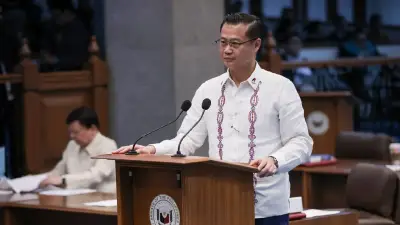
Education Secretary Sonny Angara highlighted that fostering alignment across various sectors is vital in equipping learners to meet the continuously changing demands of the workforce. "Our biggest asset is our people. Under President Marcos Jr.'s leadership, we are envisioning a more creative and innovative Filipino learner, which will be a significant boost to the industry," Angara stated. This unified approach is mirrored in the ongoing revision of the Philippine Qualifications Framework (PQF), which seeks to establish clearer educational pathways and ensure that skills gained through education and training are acknowledged and valued across different industries.
Key Features of the Updated PQF
The updated PQF incorporates several significant enhancements:

- It is structured into eight levels that align with the ASEAN Qualifications Reference Framework.
- It provides clear pathways between technical-vocational and higher education.
- Senior High School is now categorized under Level 3.
- Microcredentials have been formally integrated to support lifelong learning and offer learners flexible opportunities to enhance their skills over time.
Enhanced Coordination with Key Agencies
DepEd has also emphasized the necessity for stronger collaboration with the Technical Education and Skills Development Authority (TESDA), Commission on Higher Education (CHED), and Department of Labor and Employment (DOLE) to address the persistent gap between education and actual labor market needs. The Department reaffirmed its commitment to establishing a unified labor market information system and expanding enterprise-based training and industry-led upskilling programs. These efforts are designed to better support learners throughout their educational and training journeys, preparing them more effectively for entry into technical-vocational programs and, ultimately, the workforce.
Broader Government Initiatives and Legislative Reforms
The ASEAN meeting took place following the formal submission of the Second Congressional Commission on Education (EDCOM 2) Final Report and the National Education and Workforce Development Plan (NatPlan) 2026–2035 to President Ferdinand R. Marcos Jr., further reinforcing the government's comprehensive approach to education and workforce development. The revised PQF and proposed legislative reforms—including the proposed Lifelong Learning Development Framework Act of 2025, expanded recognition of prior learning, and strengthened distance education policies—are anticipated to further improve the alignment of education, training, and employment.
Challenges and Future Directions
Angara pointed out that while the strategic direction is now clearer, sustained coordination and shared accountability among institutions are essential for successful implementation. "We already see alignment under President Marcos' leadership. The challenge now is execution—staying the course, aligning budgets and incentives, and holding ourselves jointly accountable for learning outcomes," Angara remarked. This holistic strategy aims to ensure that the Philippines can develop a skilled and adaptable workforce capable of thriving in a dynamic global economy.