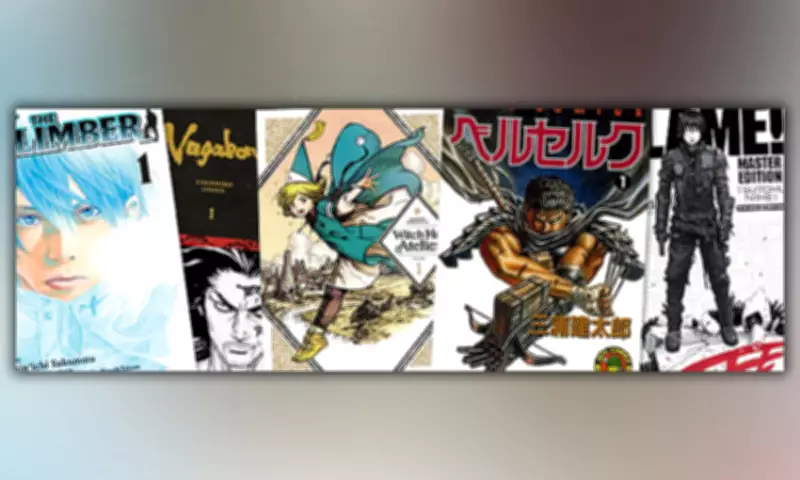
We are all trying to outrun the heavy burdens of reality. Whether it is for an hour or just a few stolen minutes, we crave the thrill of a grand adventure — the crackle of mana as a mage casts a forbidden spell, or the blood-pumping quest to bring glory to a fallen clan. While we often turn to cinema or traditional literature to find these worlds, there is a different kind of storytelling that offers an intimacy those mediums sometimes miss: manga.
What is Manga?
Manga is Japan's unique visual language — a medium where striking black-and-white artistry meets cinematic storytelling. Read from right to left, it offers an intimate narrative flow that spans every conceivable genre, from epic fantasies to quiet human dramas. The beauty of this medium is that you are seeing the raw blueprint of the story. While many series eventually become anime, there are majestic panels that deserve to be experienced on the page — images that have blessed the eyes of readers for decades with detail that even the best animation sometimes cannot capture. This article serves as a love letter to the medium. Back in my student days, it was a way to cope with stress and explore the wonders of the world from a desk. Even now, as an adult, I find myself coming back to it — returning to stories that truly connected with me to find that same sense of wonder all over again.
Manga to Start Your Journey
If you are new to the medium and want to experience the artistry of these panels for yourself, here are some series worth checking out:

The Climber (Shin-ichi Sakamoto)
One of the first manga I picked up, and a series that genuinely made me a better person. Exploring loneliness, freedom and the indomitable human spirit, it follows a socially isolated student who discovers a consuming passion for solo mountain climbing.
Vagabond (Takehiko Inoue)
Based on Eiji Yoshikawa's novel, this mesmerizingly illustrated manga provides a philosophical account of Miyamoto Musashi's life. It balances dynamic action with contemplative stillness, exploring the geometry of a duel and the grit of a life lived by the sword as a profound meditation on strength.
Witch Hat Atelier (Kamome Shirahama)
Coco, a dressmaker's daughter, dreams of becoming a witch in a world where magic is an innate gift. Renowned for breathtaking art that treats magic as a literal craft, the series follows her journey after she discovers a way to pursue her impossible dream.
Berserk (Kentaro Miura)
Highly regarded for its intricate dark fantasy illustrations, this work features immense detail, dynamic composition and masterful shading. It follows Guts, a branded warrior battling demonic forces in a quest for revenge against his former friend.
BLAME! (Tsutomu Nihei)
Renowned for its oppressive, desolate atmosphere and unique visual storytelling, this work follows a silent wanderer through The City — a vast, ruinous megastructure.
The Magic of Manga
Beyond pure entertainment, there is a growing appreciation for how manga interacts with our brains. For many, including those on the autism spectrum, manga acts as a vital bridge for communication. Because it relies on multimodal learning — the simultaneous processing of text, layout and visual cues — it can be easier to digest than dense walls of standard prose. Manga's unique visual grammar uses exaggerated expressions and stylized iconography to provide clear emotional cues. This structured, pattern-based storytelling offers a level of comfort and social clarity often missing from traditional literature. Manga is more than just an escape; it is a reminder that even in our most quiet or chaotic moments, there is art to be found.