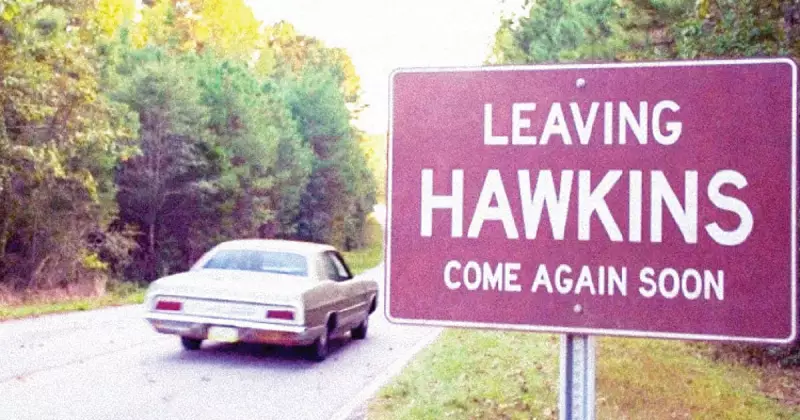
As 2026 began, the global phenomenon Stranger Things delivered its long-awaited conclusion, closing one of television's most defining cultural chapters. The two-hour finale, which premiered in early January, managed to be both epic in its scope and surprisingly restrained in its emotional tone.
A Victory Without Tragedy
After five thrilling seasons, the core group from Hawkins finally achieves their ultimate goal. They defeat the malevolent Vecna, portrayed by Jamie Campbell Bower, and successfully destroy the Upside Down. This act ends the supernatural terror that has plagued their town for years. In a bold narrative choice, the series avoids leaning on shock value for its emotional impact.
Unlike many modern finales that equate tragic character deaths with depth, Stranger Things takes a different path. All main characters survive the final battle. The story briefly flirts with a devastating sacrifice for Eleven, suggesting a somber ending about power and isolation. However, the show wisely steps back from this brink, understanding that true emotional weight doesn't require finality.

Life After the Monster
The finale then jumps forward 18 months, grounding the story in the human moments the series always did best. Hawkins is healing, and normalcy has returned. The kids, now young adults, are graduating high school. This reset emphasizes that while monsters can be defeated in a night, growing up is a slower process.
The fates of the beloved characters are revealed with warmth. Steve Harrington settles into a new life as a baseball coach and sex-ed teacher. Nancy Wheeler, Jonathan Byers, and Robin Buckley have all moved away from Hawkins. Jim Hopper proposes to Joyce. In a chaotic yet heartfelt moment, Dustin Henderson's valedictory speech champions individuality, echoing the show's core spirit.
The Final Message: Embracing Change
The finale asserts, without apology, that change is inevitable and not an enemy. Set to the nostalgic tune of Fleetwood Mac's "Landslide," the message is clear: the kids are alright. Having faced demogorgons and parallel dimensions, they now confront puberty and adulthood as their final challenge.
The emotional resonance is deepened by the real-time growth of the cast over nearly a decade, mirroring the audience's own journey. Saying goodbye to Hawkins feels like closing a personal chapter for many viewers.
The final scene returns to Mike Wheeler's basement for a post-graduation Dungeons & Dragons session. When Max criticizes Mike for rushing their characters' happy endings, his thoughtful reply serves as the finale's thesis. He suggests futures that are uncertain, hopeful, and unwritten. Lucas and Max explore young love. Dustin heads to college but prioritizes friendship. Will moves to a city where he can be himself.
Mike's theory about Eleven's survival walks a fine line between hope and denial, leaving intentional ambiguity. The series allows viewers to choose their own interpretation—belief or acceptance, optimism or closure. It understands that endings don't always provide answers, only the stories we tell ourselves to move forward.
The episode ends with Mike's younger sister and her friends bursting into the basement, eager to start their own D&D campaign. Mike smiles and closes the door, a literal and symbolic gesture of passing the torch and moving on.
In the end, Stranger Things succeeds because it knows when to let go. It resists overstaying its welcome, choosing instead to conclude with warmth, reflection, and restraint. The finale doesn't just say goodbye to Hawkins; it acknowledges that nostalgia, however comforting, is not a place to live forever. For a generation that grew up with it, the ending is a gentle reminder that childhood fades slowly, and it's okay to walk forward when the door finally closes.