Poultry most at risk from Kanlaon ashfall
Poultry and other livestock are facing the highest risk of respiratory illness or death if ashfall from Kanlaon Volcano continues, according to Cebu Provincial Veterinarian Mary Rose Vincoy on Friday, July 10, 2026.
In a media interview, Vincoy explained that prolonged exposure to ashfall can increase the mortality rate among poultry. Cattle are also susceptible to pneumonia and conjunctivitis, or eye inflammation.
“Actually, the most affected commodity for agriculture is the livestock. As to ashfall, the most affected is our poultry. They’re very prone to respiratory illnesses, and if the ashfall lasts longer, mortalities will occur if the eruption continues,” Vincoy said.

“Second, cattle are very prone to pneumonia now. Aside from pneumonia, conjunctivitis affects their eyes,” she added.
Farmers urged to shelter animals
Vincoy urged farmers to bring their animals into shelters and use protective covers to shield them from the ash.
Goats also face risks if they eat contaminated grass, as ash clings to leaves unless washed away by rain. Pigs are prone to skin irritation from falling ash.
The Provincial Veterinary Office (PVO) is currently coordinating with agriculture offices of local government units (LGUs) in Cebu, especially those in the third district facing Negros, where the ash from Kanlaon Volcano originates.
So far, the PVO has not recorded any livestock damage.
Air quality improving in Cebu
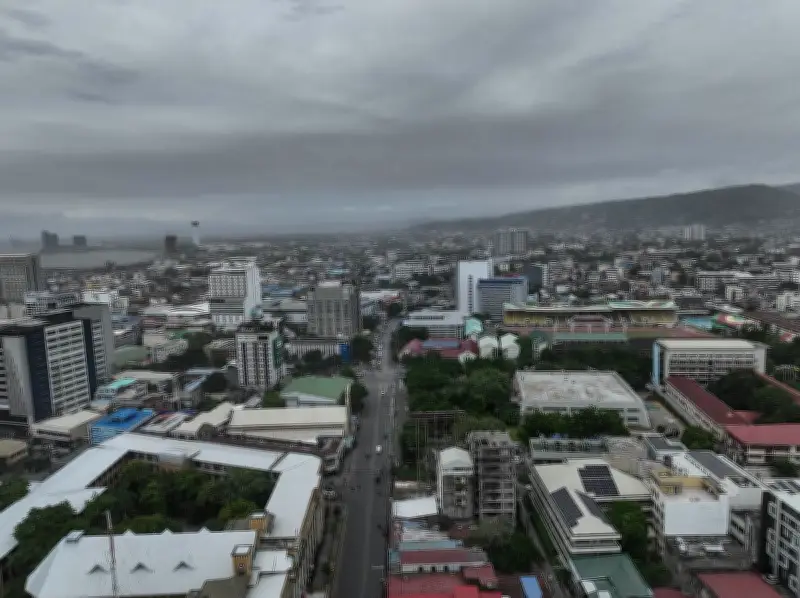
Meanwhile, Cebu Provincial Disaster Risk Reduction and Management Office (PDRRMO) Head Dennis Pastor said that clear air had begun returning to Cebu on Friday, July 10, based on information from the Philippine Institute of Volcanology and Seismology (Phivolcs).
Pastor added that the Department of Environment and Natural Resources-Environmental Management Bureau (DENR-EMB) 7 also reported “fair” air quality in Cebu on Friday morning.