Cebu City's Sacred Pause: How Holy Week Transforms the Urban Bustle into Quiet Reflection
In the vibrant heart of Cebu City, silence is typically an alarming signal that something has gone awry. This is a metropolis perpetually in motion, where the cacophony of jeepney horns, the bustling chatter of market crowds, and the energetic calls of street vendors collectively announce the arrival of each new day. However, when Holy Week commences, the entire city grinds to a profound halt, allowing itself a moment to breathe deeply. For several days, Cebu transforms into a veritable ghost town, as every laborer—the essential lifeblood of the urban center—retreats to spend precious time with family and loved ones.
The Essence of Holy Week in Cebuano Culture
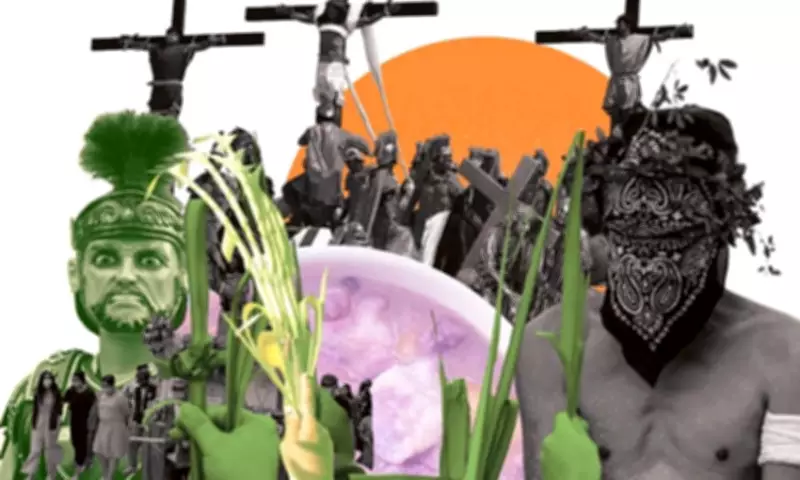
Holy Week stands as the most sacred period in the Catholic calendar, a time dedicated to solemn reverence and deep reflection on the final days of Jesus Christ's life. The approach of Holy Week is heralded by familiar rituals, such as parents bringing home blessed palms from Palm Sunday Mass, culminating in the joyous celebration of Easter Sunday, which marks the Resurrection. For Cebuanos, this season is intimately woven into the fabric of daily life and community bonds.
Childhood memories often revolve around savoring the binignit lovingly prepared by mothers and eagerly requesting biko from neighbors, while parents and aunties engage in lively chismis with fellow marites. Television screens broadcast classic biblical epics or The Passion of the Christ, evoking emotional tears from young viewers. These experiences are uniquely Cebuano, deeply rooted in home and community traditions that foster a strong sense of identity.

Simultaneously, a significant portion of the workforce embarks on journeys back to their home provinces, enduring lengthy queues at terminals and sleep-deprived bus rides to reunite with families. Despite the exhaustion, the trip is universally deemed worthwhile. Yet, it is crucial to acknowledge the unsung heroes who remain in the city: vendors selling ingredients for binignit, jeepney drivers continuing to serve commuters, and individuals striving to make ends meet without a break.
Unique Cebuano Traditions That Define Semana Santa
Beyond the serene streets, specific customs distinctly shape the Cebuano Holy Week experience:
- The "Secret" Ingredient (Landang): While many Filipinos enjoy a sweet coconut stew, Cebuano binignit is distinguished by landang, palm flour jelly balls derived from the buri palm, which impart a unique texture unmatched elsewhere.
- The Meat Exemption of Bantayan: Bantayan Island holds a historical privilege known as the Bantayan Indult. Granted by Pope Leo XII in 1824, this exemption permitted locals to consume meat on Good Friday when fishing restrictions made seafood scarce.
- Urban Pilgrimage: For city dwellers, the "Sacred Pause" involves a physical ascent at Celestial Garden, a prominent site for the Via Crucis (Way of the Cross) observances.
- The "Easter Capital": In Minglanilla, the Sugat Kabanhawan Festival features "flying angels"—children suspended on wires—who descend to lift the mourning veil of the Virgin Mary in a dramatic reenactment.
The Mystical Silence: Bridging Faith and Folk Belief
The Holy Week pause transcends mere prayer; it encompasses deep-seated tinouhan sa mga gulang (beliefs of the elders) that the spiritual realm undergoes a shift while "God is dead." A widespread conviction holds that from 3 p.m. on Good Friday until the Resurrection, divine protection is temporarily suspended.
Elders caution against bathing or doing laundry after 3 p.m. on Good Friday, warning that such actions may bring misfortune—some even whisper that one might transform into a mermaid or merman if in water when Jesus dies. Many avoid travel or hazardous chores to evade the "quota" of accidents attributed to di ingon nato (unseen beings).

A common admonition to children asserts that any wound sustained on Good Friday will never heal properly or will mend exceptionally slowly, as the "Healer" is deceased. Conversely, folk healers (mananambal) are at their busiest during this period. They venture into mountains for pangalap, gathering herbs believed to be at peak potency. They prepare lana (medicinal oil), said to react in the presence of an aswang, and utilize the silence to "recharge" their anting-anting (amulets).
The Homecoming Spirit of Semana Santa
What begins as a ghost town in the core of a bustling city evolves into a quiet testament to faith, idiosyncrasies, and resilience. The weariness of the journey is an integral aspect of the Holy Week experience itself. Cebuanos endure the heat and protracted hours because, for them, Semana Santa is more than a religious duty—it is a heartfelt homecoming.
It is the comforting aroma of binignit steaming in a bowl, the shared hush of a neighborhood, and the collective breath held in anticipation until Easter bells finally chime. Whether climbing a hill in Banawa or disembarking from a bus in one's hometown, this "Sacred Pause" serves as a poignant reminder that it is permissible to take a respite before the city's pulse resumes its relentless rhythm. In Cebu, Holy Week is not merely an observance; it is a cherished tradition that binds community, faith, and culture into a singular, profound experience.