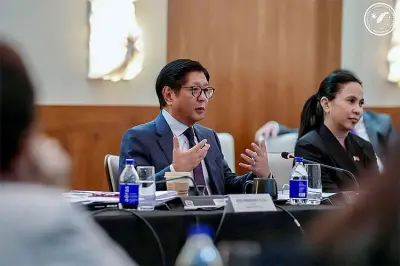
Women's Month: A Call for Substantive Authority in Governance and Policy-Making
This Women's Month necessitates a clear and urgent recalibration of where energy and resources are directed. Women must transition from symbolic representation to substantive authority within the institutions that shape daily life. Lasting change requires more than mere visibility; it demands control over budgets, laws, and implementation processes to effect real transformation.
The Consequential Role of Women in Leadership
The most impactful role women can claim is leadership in governance and policy making. When women occupy decision-making positions, they significantly influence the rules governing education, health, labor, and climate resilience. These rules determine who receives essential services, how resources are allocated, and which voices are heard in public discourse.
Policy choices act as powerful multipliers across society. For instance, a single budget line dedicated to childcare can expand women's labor force participation while simultaneously improving child development outcomes. Similarly, a law that secures land rights for women strengthens household resilience and unlocks investment in sustainable livelihoods, fostering long-term economic stability.

Distinct Priorities and Practical Foundations
Women leaders often bring distinct priorities that reshape public agendas. They tend to advance social protections, invest in human capital development, and insist on more inclusive and gender-responsive disaster planning. These priorities translate into measurable improvements in areas such as maternal health, school retention rates, and community preparedness for emergencies.
Local power serves as the practical foundation for national influence. Barangay captains, city councilors, and provincial officials manage services and enforce policies on the ground. Building a pipeline of women who win and perform effectively in these roles creates a steady stream of experienced leaders ready for higher office, ensuring sustained progress.
Investment in Pipeline Development and Economic Empowerment
Creating this pipeline requires deliberate investment in mentorship, training, and financing. Candidate training programs must teach campaign strategy and governance skills, while dedicated funds and networks must reduce the financial barriers that often prevent capable women from running for office.
Economic empowerment complements political leadership and strengthens bargaining power both at home and in public life. Scaling women-led enterprises and expanding access to credit create independent livelihoods and broaden the base of civic influence. Economic security makes it easier for women to take public risks and sustain long-term engagement in governance.
Cultural Shifts and Climate Leadership
Education and caregiving shape the cultural soil where equality grows. Professionalizing care work and integrating gender equality into curricula change expectations for the next generation. These shifts reduce the invisible burdens that often limit women's time and ambition, paving the way for greater participation.
Climate and disaster leadership offers another arena where women's perspectives produce better outcomes. Women who lead adaptation projects and insist on inclusive planning protect the most vulnerable households. Their leadership reduces loss and preserves livelihoods in communities facing repeated shocks, demonstrating the value of diverse input.
Managing Risks and Taking Practical Steps
Risks accompany rapid progress and must be managed effectively. Token appointments without real authority can create cynicism and backlash, while laws without adequate funding and monitoring fail to change lives. The remedy lies in insisting on substantive roles, budgetary control, and transparent accountability mechanisms.
Practical steps will turn aspiration into legacy. Support women candidates at the local level, institutionalize gender-responsive budgeting, and build cross-sector coalitions that include business, youth, and environmental groups. Measure outcomes and publicize successes so evidence builds momentum for deeper, more impactful reforms.

A Sustained Campaign for Shared Power
This Women's Month should mark the start of a sustained campaign to place women where decisions are made. Power that is shared and exercised with purpose reshapes institutions and daily life, creating a more equitable society. The future will remember the leaders who chose policy, power, and progress over mere applause, setting a precedent for generations to come.