The Philippine government has successfully facilitated the return of nearly 3,000 overseas Filipino workers (OFWs) from the Middle East in response to escalating hostilities in the Gulf region involving the United States, Israel, and Iran. This significant repatriation effort underscores the nation's commitment to safeguarding its citizens abroad during times of international conflict.
Government-Led Repatriation Efforts
According to a recent social media announcement by the Department of Migrant Workers (DMW), a total of 2,910 OFWs have been brought back to the Philippines since tensions flared in the Gulf. The DMW detailed that the National Government played a pivotal role in organizing and executing this large-scale operation, ensuring the safe return of Filipinos from various Middle Eastern states.
Breakdown of Repatriation Flights
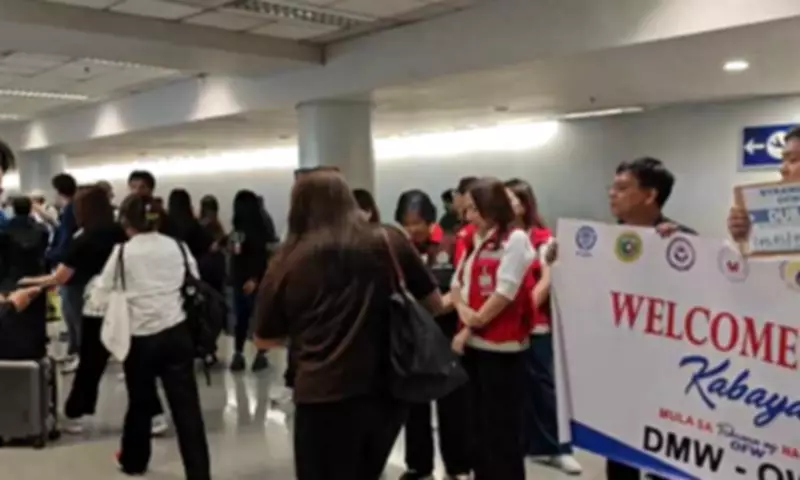
Of the nearly 3,000 returnees, 2,120 were transported home via five chartered flights arranged by the Philippine government. The latest batch, which arrived on Friday night at Villamor Airbase in Pasay City, included 349 individuals comprising OFWs, their dependents, and stranded Filipinos from the United Arab Emirates (UAE). This fifth chartered flight marked a key milestone in the ongoing repatriation initiative.

Warm Welcome and Comprehensive Support
The DMW reported that the returning OFWs, including 222 workers specifically mentioned, were warmly greeted by their families upon arrival. To aid in their reintegration, the government provided a robust support package, including financial assistance, medical care, airfare for provincial travel, and temporary accommodation. Additionally, the repatriated individuals will receive help in securing new opportunities through training programs, job fairs, and business investment guidance.
Timeline and Ongoing Operations
The DMW initiated the repatriation process on March 5, 2026, demonstrating a swift response to the geopolitical crisis. As hostilities continue to impact the Gulf region, the Philippine government remains vigilant in its efforts to protect and assist OFWs, highlighting the importance of international cooperation and domestic preparedness in times of global uncertainty.