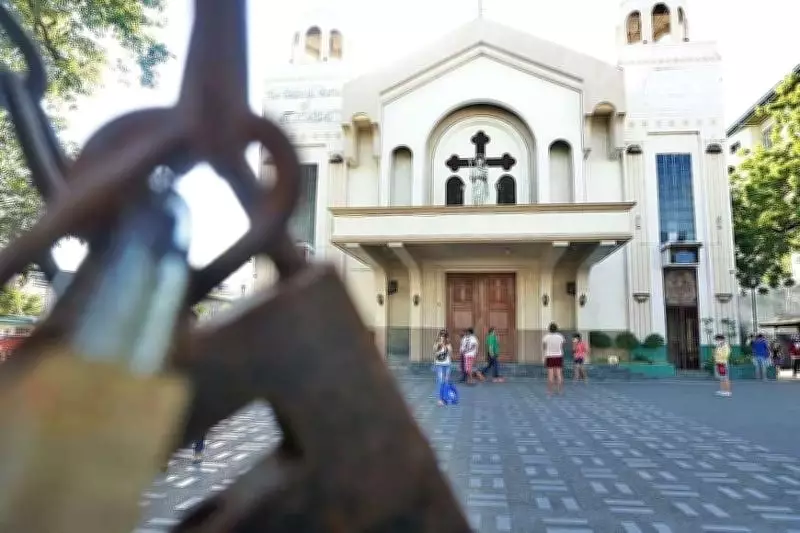
The National Shrine of Saint Joseph in Mandaue City is set to receive and publicly enshrine 26 authentic religious relics from Rome, including a first-class bone relic of Saint Peter. Church leaders said the development would deepen the spiritual connection of local Catholic faithful to the universal Church and provide greater access to sacred objects for prayer and veneration.
Collection of Relics
Fr. Ian Fel Balankig, rector and parish priest of the National Shrine of Saint Joseph, said the relics represent some of the most revered figures in Christianity. The collection includes relics of Saint Joseph, the Blessed Virgin Mary, the 12 Apostles, and six saints known for their devotion to Saint Joseph. Among the relics is a first-class bone relic of Saint Peter, considered one of the most significant pieces in the collection.
Preparations and Arrival
Balankig said preparations are underway for the arrival and public enshrinement of the relics. Parish personnel spent the afternoon of May 24, 2026, sorting and placing the relics into reliquaries, specialized containers used to preserve and display sacred relics. The following day, the relics were scheduled to undergo official arrival rites, processing, sealing, and enshrinement at the shrine.

Connection to Rome
Balankig said Church authorities in Rome directly granted the relics, strengthening the historical and spiritual ties between the Mandaue-based shrine and the Vatican. The relics associated with the 12 Apostles, particularly the relic of Saint Peter, were entrusted to the National Shrine of Saint Joseph because of its longstanding devotion. The shrine houses the Señor de Cena, a rare, life-sized image depicting the Last Supper that is more than a century old.
“The relic of Saint Peter was entrusted to our shrine because Rome recognizes the significance of the Señor de Cena and the devotion maintained here in Mandaue,” Balankig explained.
Not Charms or Amulets
He said Catholics should not view relics as magical objects or charms capable of granting wishes on their own. “These relics are not amulets or magical objects,” he said. “For Catholics, relics are sacred reminders of holy men and women who lived exemplary lives of faith. Through their intercession, we ask God for grace and blessings,” the priest added.
Balankig explained that relics consist of physical remains of saints, such as bones, or objects that belonged to them. Their significance lies in their role as tangible links to individuals whose lives reflected deep holiness, rather than in any supernatural power of the objects themselves.
Spiritual Inspiration
The priest said the decision to place the relics on public display would allow ordinary faithful to pray before them and seek spiritual inspiration, rather than limiting access to a select few. “We want the faithful to have the opportunity to venerate these relics and strengthen their faith. These sacred objects are meant to be accessible to the people, not hidden away for private use,” he said.
Authentication Process
Balankig also discussed the rigorous process undertaken by the Catholic Church to verify the authenticity of relics before public veneration. He said authorized custodians in Rome, specifically the postulator general of the Discalced Augustinians, issued seven official ecclesiastical documents certifying the authenticity of the relics. These documents, known as authentics, bear official signatures and seals verifying that the relics are genuine.
The authentication process covers both first-class relics, such as physical remains of saints, and second-class relics, which include personal belongings. “The Church is very strict when it comes to relics. Every relic must be supported by official documentation and ecclesiastical seals to ensure its authenticity,” Balankig said. Once authenticated, the relics are carefully placed inside reliquaries and sealed before public veneration.

Significance for the Faithful
Church leaders believe the arrival of the relics will become a significant milestone for the National Shrine of Saint Joseph and for Catholic devotees throughout Cebu and neighboring provinces. For Balankig, the enshrinement represents a deeper connection between the local Church in Mandaue and the centuries-old traditions of the Catholic faith rooted in Rome. As preparations continue, the shrine expects to welcome devotees who wish to witness the enshrinement and offer prayers before the relics.