Iran Proposes Strait of Hormuz Access in Exchange for Diplomatic Expulsions
In a bold geopolitical move, Iran's Revolutionary Guard Corps (IRGC) has declared it will provide "complete freedom and authority" in the Strait of Hormuz to Arab and European countries that expel the ambassadors of Israel and the United States. This announcement follows recent statements by U.S. President Donald Trump suggesting that the conflict in the Gulf region is nearing an end due to demonstrations supporting Iran's new Supreme Leader, Mojtaba Khamenei.
IRGC Asserts Control Over Regional Conflict and Oil Exports
The IRGC emphasized that it will not permit oil exports from the region if military actions by the United States and Israel continue. In a firm stance, the IRGC stated, "It is we who will determine the end of the war. The equations and future status of the region are now in the hands of our armed forces; American forces will not end the war." This declaration underscores Iran's intent to assert dominance in West Asia, challenging U.S. influence in the area.
Strategic Importance of the Strait of Hormuz
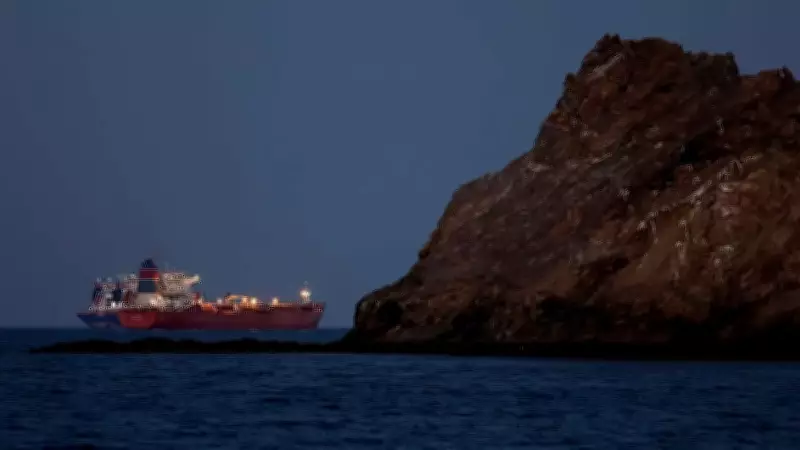
The Strait of Hormuz is recognized as one of the world's most critical oil export routes, linking major Gulf oil producers to the Gulf of Oman and Arabian Sea. Its strategic significance cannot be overstated, as it facilitates a substantial portion of global oil shipments, making any disruptions a major concern for international energy markets.

Impact on Global Oil Prices and Gulf Producers
Amid the ongoing 10-day conflict between the U.S., Israel, and Iran, crude oil prices have surged to $120 per barrel, sparking new fears in the global energy market. Brent crude reached $119.50 per barrel at its peak. Although prices have since decreased to around $100 as of Tuesday, they remain more than 20% higher than when the war began on February 28. Gulf oil producers are also struggling due to damaged sites from previous Iranian attacks, exacerbating supply chain issues and contributing to market volatility.
This development highlights the escalating tensions in the Middle East and their far-reaching effects on global economics and diplomacy. As Iran positions itself as a key player in regional affairs, the international community watches closely, with potential implications for energy security and geopolitical alliances worldwide.