In our house, death was never a casual conversation. If I joked about dying, my mother's hand would fly straight to my mouth — three quick slaps, always three — before she knocked on wood as if she could physically stop fate from hearing me. We grew up believing karma listened carefully. Invite death, and death might answer.
I carried that fear into adulthood. Wishing death on anyone felt unforgivable. But during Holy Week, beneath the brutal April heat, that taboo shattered across my phone screen.
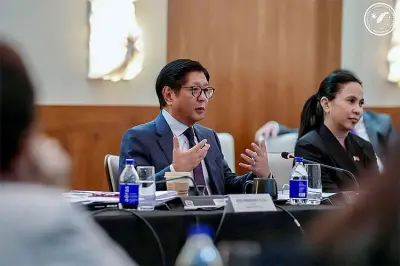
For hours, I doom-scrolled through "RIP" edits, hashtags and posts claiming the President had died. My feed turned into a digital wake. What unsettled me most was seeing people I knew — people raised with the same superstitions, prayers and rituals — celebrating an unconfirmed rumor.

It felt wrong. Watching liberation attached to a body count made me uncomfortable in a way I could almost physically feel. I imagined my mother's slaps landing again as strangers and friends alike cheered online. Part of me wanted to condemn them for abandoning reason in exchange for a headline that validated their anger.
But then I looked away from my phone and looked outside instead.
I thought about glowing economic reports that rarely match what ordinary people feel. I remembered grocery trips where prices climbed while bags grew lighter. Even the heat felt oppressive enough to mirror the country's exhaustion.
That was when I realized the misinformation was not the real story.
People were not simply being fooled. For a brief moment, they were emotionally released. The rumor allowed them to imagine an ending to frustrations they had tied to one political figure. It was less about media literacy and more about accumulated anger finally finding an outlet.
Still, I keep asking myself: Is death really the answer?
Philippine politics often feels like an endless cycle. One powerful figure falls, another quickly rises to take the same place. The names change, but the frustrations remain. We keep hoping for endings, forgetting that endings alone rarely solve anything.
The fact that he is still alive may be the only uncomfortable grace left in this situation. It means there is still time — time for accountability, redemption or perhaps some attempt to regain public trust. Questions about his health may eventually be answered, whether through official disclosures or legal pressure. Soon enough, the country will know whether the rumors reflected something serious or merely the overheated imagination of a frustrated nation.
But even after the truth comes out, the deeper problem will remain.
One falls. Another rises. The cycle repeats itself with a new face carrying old disappointments.
He was not as dead as many believed. And perhaps that realization says more about the country than about the man himself. For one uneasy moment, rumor felt like relief to an exhausted nation.
This time, though, there is no one left to knock on wood for us.
God save the Philippines. God save the government. Because right now, I'm not sure we still know how to save ourselves.