Russia Accuses Ukraine of Sinking LNG Tanker in Mediterranean Sea
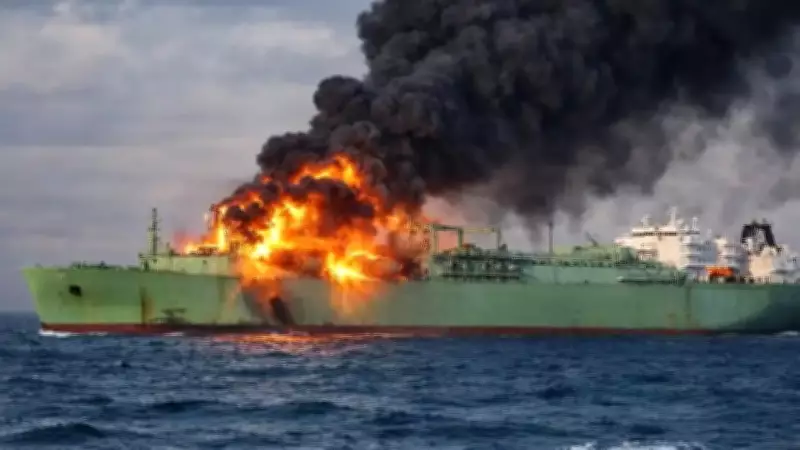
Russia has officially blamed Ukraine for the sinking of its liquefied natural gas (LNG) tanker, the Arctic Metagaz, in the Mediterranean Sea near Libya. According to reports from the Libyan Maritime Authority, a powerful explosion and a massive fire were heard and observed on the vessel before it went down. The incident, which occurred on March 5, 2026, has escalated tensions between the two nations.
Details of the Incident
The Russian-flagged tanker was carrying a substantial cargo of 61,000 tons of liquefied natural gas when it was attacked. Following the explosion, the ship sank completely into the sea. Fortunately, all 30 crew members aboard the Arctic Metagaz were successfully rescued, with no reported casualties. This event marks a significant escalation in maritime conflicts in the region.
Russian President's Response
Russian President Vladimir Putin has condemned the sinking, labeling it a "terror attack" allegedly carried out by Ukrainian drones. In a statement, Putin emphasized that this is part of a pattern of hostile actions by Ukraine against Russian maritime assets. He cited previous incidents where Ukrainian drones have targeted Russian ships in Libyan waters, suggesting a coordinated effort to disrupt Russian operations.

Background and Implications
This attack is not an isolated event; there have been multiple recorded incidents of Ukrainian drones sinking Russian vessels in the Mediterranean Sea, particularly in areas under Libyan jurisdiction. The sinking of the Arctic Metagaz raises concerns about the safety of commercial shipping routes and the potential for further conflicts in international waters. It also highlights the ongoing geopolitical strife between Russia and Ukraine, which has extended beyond land borders into maritime domains.
The Libyan Maritime Authority is investigating the explosion and fire, but initial reports point to external aggression as the cause. As tensions mount, the international community is closely monitoring the situation, with fears that such attacks could lead to broader regional instability. The loss of the LNG tanker also poses environmental risks due to the cargo involved, though no immediate spills have been reported.