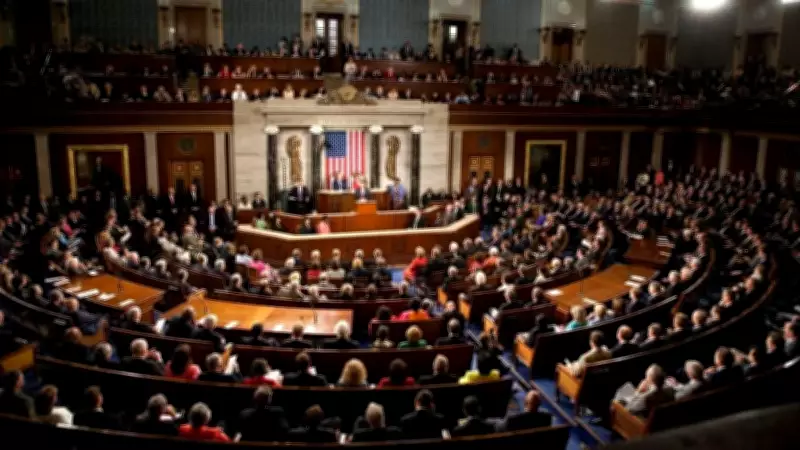
In a significant legislative decision, the U.S. Senate has rejected a War Powers Resolution designed to curtail President Donald Trump's power to initiate further military actions against Iran. The vote, which concluded with a tally of 47–53, saw the proposal fail to advance, marking a setback for its Democratic and independent proponents.
Vote Breakdown and Key Defections
The resolution, which sought to require congressional approval for military strikes, faced opposition from most Republicans, with Senator Rand Paul being the sole Republican to support it. On the Democratic side, Senator John Fetterman was the only member to vote against the measure, highlighting rare cross-party dissent in a highly polarized environment.
Background and Motivations
This marks the second time within a year that Senator Tim Kaine has championed the War Powers Resolution concerning Iran, driven by ongoing tensions and fears of escalating American casualties. Advocates argue that the resolution is crucial for enforcing checks and balances on presidential authority, ensuring that the White House cannot unilaterally engage in military conflicts without congressional oversight.

Despite the defeat, Democrats emphasized the importance of upholding constitutional principles to prevent unchecked executive power. The vote comes amid heightened hostilities between the U.S. and Iran, following recent attacks and retaliations that have involved allied nations in the Middle East, including Qatar, the UAE, and Saudi Arabia.
Implications and Future Outlook
The rejection of the resolution underscores the challenges in limiting presidential war powers, particularly in a context of international strife. As tensions persist, the debate over congressional versus executive authority in military matters is likely to continue, with potential implications for U.S. foreign policy and global stability.