Trump Rejects Iran Peace Deal as US Military Strikes Key Oil Hub
In a significant escalation of hostilities, President Donald Trump announced on Saturday, March 14, 2026, that he is rejecting a proposed peace deal with Iran, citing unsatisfactory terms. This declaration comes alongside a major US military strike on Kharg Island, a critical Iranian oil export facility, further intensifying the conflict that began in late February.
No Deal for Now: Trump's Stance on Iran Ceasefire
During an interview with NBC News, Trump stated, "Iran wants to make a deal, and I don't want to make it because the terms aren't good enough yet." He emphasized that any agreement must be "very solid" and would require Iran to abandon its nuclear ambitions as a core condition for a ceasefire. However, the president declined to specify other terms, leaving the diplomatic path uncertain.
Precision Strike on Kharg Island Disrupts Iranian Military
Simultaneously, US Central Command (Centcom) reported that on Friday night, March 13, US forces executed a large-scale precision strike on Kharg Island. Located in the Persian Gulf about 25 kilometers off Iran's coast, this island accounts for approximately 90 percent of Iran's crude oil exports. The strike targeted over 90 military sites, including:

- Naval mine storage facilities
- Missile storage bunkers
- Other key military installations
Centcom noted that the operation aimed to preserve oil infrastructure while neutralizing military threats. Trump later claimed on social media that the bombing "totally obliterated" the targets and warned that US forces would target oil infrastructure if shipping through the Strait of Hormuz is disrupted.
Global Economic Fallout and Shipping Concerns
The ongoing attacks, which started on February 28 with joint US-Israeli operations, have severely impacted global markets. As the conflict enters its third week, it is causing:
- Disruptions to global shipping routes
- Surges in oil prices
- Significant shaking of the global economy
Trump has called on countries affected by the war to assist in keeping the Strait of Hormuz—a vital passage for oil tankers—open and secure. He mentioned that several nations have committed to helping, though he did not name them, stating, "They've not only committed, but they think it's a great idea." In posts on Truth Social, he urged oil-receiving countries to manage the passage, with the US coordinating joint efforts and potentially deploying warships.
Iran's Retaliation Threat and Regional Tensions
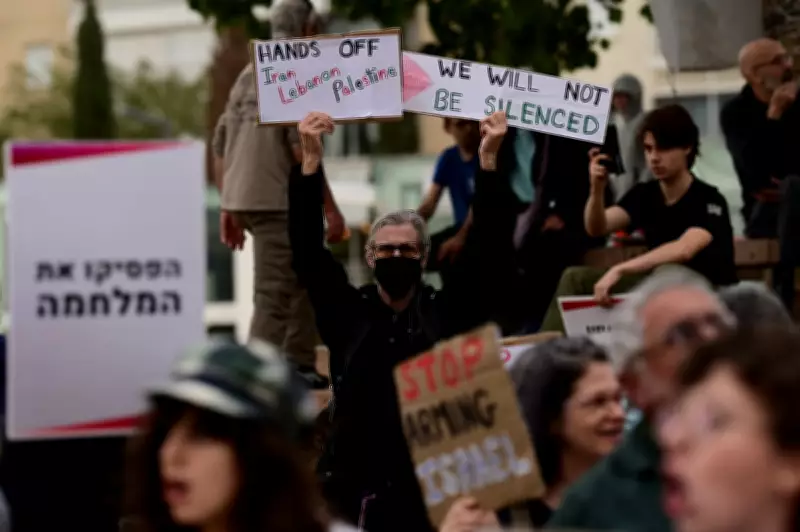
In response, Iranian Foreign Minister Seyed Abbas Araghchi warned on Saturday that any attack on Iran's oil and energy infrastructure would trigger retaliation against regional facilities linked to US companies. This threat underscores the high stakes as protests against US-Israeli actions, such as a rally in Tel Aviv on March 14 demanding an end to war, highlight growing public dissent.
When questioned about the US Navy escorting ships through the Strait of Hormuz, Trump remained ambiguous, saying, "I don't want to tell you anything about that, but it's possible." This uncertainty, combined with the military strikes and diplomatic stalemate, suggests that the conflict may continue to escalate, with profound implications for international stability and energy markets.