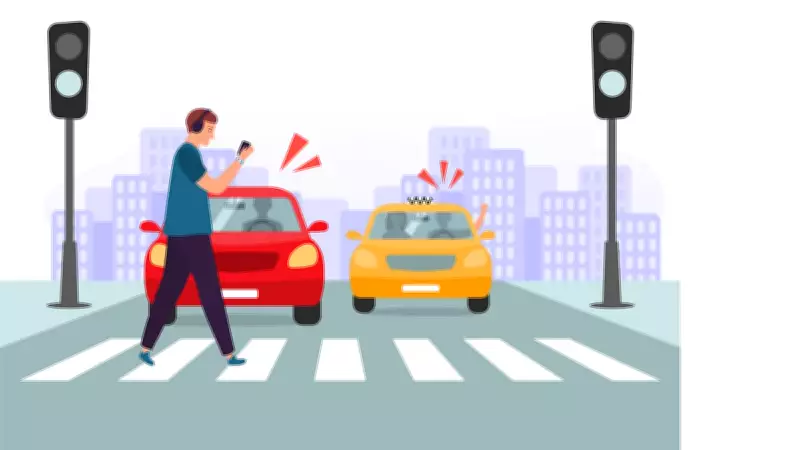
In the Philippines, the road serves as a vital shared space where livelihoods, daily routines, and lives constantly intersect. From early morning commutes to late-night journeys home, every trip carries a subtle yet persistent risk that many have come to accept as normal. However, with road accidents remaining a significant public health concern, agencies such as the Department of Transportation (DOTr) and the Land Transportation Office (LTO) are reinforcing a fundamental truth: road safety is not merely enforced by laws but must be actively practiced. It resides in the everyday choices made behind the wheel, on a motorcycle, or while crossing the street. These lessons, though not new, remain critically urgent because on the road, a split-second decision can irrevocably shape the future.
10 Essential Road Safety Lessons Grounded in Philippine Guidelines
Here are ten essential road safety lessons, based on real guidelines and reminders from Philippine agencies, that every commuter, driver, and pedestrian should integrate into their daily lives.
1. Buckle Up Without Exception
Seatbelts are not optional accessories but are legally mandated under Republic Act 8750. Whether seated in the front or back, wearing a seatbelt significantly reduces the risk of severe injury during accidents, making it a non-negotiable safety measure.

2. Respect Posted Speed Limits
Overspeeding continues to be a leading cause of road crashes in the Philippines. Government guidelines establish clear speed limits tailored to different road types, from slow-paced barangay streets to high-speed highways, emphasizing the importance of adhering to these regulations.
3. Practice Defensive Driving Techniques
The Land Transportation Office (LTO) strongly advocates for self-discipline through defensive driving. This involves anticipating potential hazards, maintaining constant alertness, and responding calmly to sudden changes on the road to prevent accidents.
4. Stay Sober and Well-Rested
Fatigue and alcohol consumption severely impair judgment and reaction times, increasing the likelihood of crashes. If feeling tired, it is crucial to rest rather than push through. Safe driving fundamentally begins with a clear and focused mind.
5. Maintain a Safe Following Distance
Tailgating is a common but perilous habit on Philippine roads. Adhering to the simple "3-second rule"—keeping a distance that allows at least three seconds to react—provides adequate time to respond if the vehicle ahead stops suddenly.
6. Ensure Your Vehicle Is Roadworthy
Authorities conduct regular vehicle inspections to ensure compliance with safety standards. Faulty brakes, worn-out tires, and broken lights pose major accident risks and can result in legal violations, highlighting the need for proper vehicle maintenance.
7. Obey All Road Signs and Traffic Rules
Traffic signs are standardized by the Department of Transportation and enforced by the LTO. Ignoring these signs not only leads to fines but also significantly increases the risk of accidents, underscoring the importance of strict adherence.
8. Avoid Distractions, Especially Phones
Distraction is a growing risk on roads, with mobile phone use being a primary culprit. Even a brief glance at a phone can cause a catastrophic crash. Drivers must stay fully focused on the road at all times to ensure safety.
9. Become a Road Safety Guardian
The Department of Transportation encourages Filipinos to actively participate in road safety by reporting violations and promoting a culture of responsible driving. This collective effort helps foster a safer environment for all road users.
10. Remember: Safety Is a Shared Responsibility
Road safety extends beyond drivers to include pedestrians, cyclists, and commuters. Everyone plays a vital role, and national initiatives like the CRASH-FREE campaign aim to build a culture where individuals look out for one another on the streets.

At its core, road safety is about intentionality. It involves choosing caution over convenience, patience over pressure, and awareness over distraction. While policies and enforcement from agencies like the DOTr and LTO continue to evolve, the real power lies with everyday road users. Each careful decision creates a ripple effect, gradually making streets safer for everyone. Beyond the traffic, noise, and rush, there exists a shared goal that unites all Filipinos: to arrive, to return, and to make it home safely and whole.