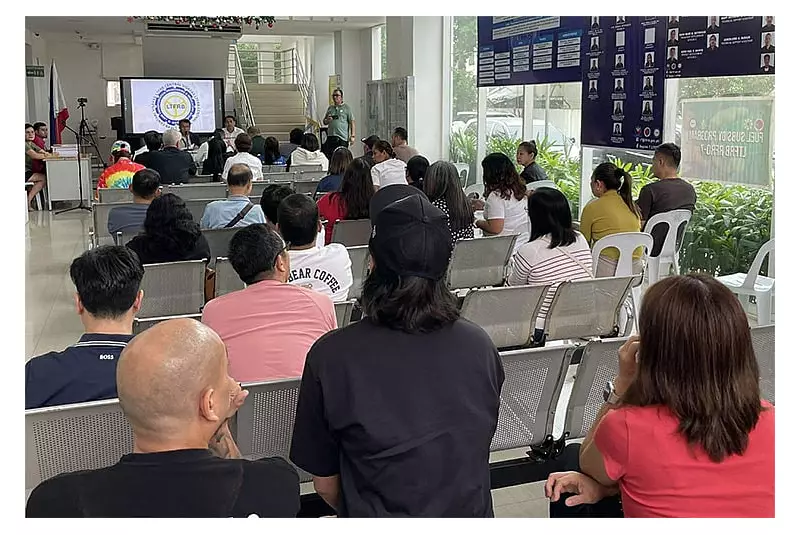
Transport associations in Metro Cebu have mounted a formal and vigorous opposition to a proposal that would introduce 600 new electric taxi units into the city's already congested streets. The resistance emerged during a crucial franchise hearing held on Thursday, January 15, 2026, where existing operators warned that the plan would exacerbate traffic woes and harm public interest.
Traffic and Oversupply at the Heart of the Dispute
During the hearing, lawyer Terence Fernandez, representing the United Cebu Taxi Operators Association Inc., argued that Metro Cebu's road infrastructure is at a breaking point. He stated that the current traffic conditions simply cannot accommodate an additional 600 vehicles. Fernandez further challenged the legal basis of the application, pointing to Memorandum Circular 2025-050, which authorized the additional slots. He claimed the circular is void due to a lack of mandatory public consultation.
"It will adversely affect the existing taxi operators here in Cebu. We are talking about the entry of 600 more taxi units here," Fernandez told SunStar Cebu, adding that the applicant, Green and Smart Mobility (GSM) Philippines Inc., arrived at this figure without appropriate supporting data.

Constitutional and Procedural Challenges Raised
The opposition's case extends beyond traffic concerns. In a separate interview, lawyer Hayde Delos Reyes-Del Rama, counsel for four other operators, raised a critical constitutional issue. She argued that GSM Philippines is 100 percent foreign-owned, which she claims disqualifies it from operating a public utility like a taxi service under Philippine law.
The groups cited Article XII, Section 11 of the 1987 Constitution, Section 16(a) of the Public Service Act, and Republic Act 11659, all of which mandate that public utility operators must be at least 60 percent Filipino-owned. They asserted that GSM's Application for a Certificate of Public Convenience (CPC) is invalid, unconstitutional, and procedurally defective.
Furthermore, the transport groups stressed that GSM failed to present a traffic impact study, road-capacity assessment, or oversupply analysis. They claim this violates Section 15 of the Public Service Act, which requires proof of public necessity before any franchise is granted.
GSM's Defense and the Stakes for Cebu Commuters
In response, GSM's counsel, Manuel Gordon, defended the application. He emphasized that the company's expansion aims to serve the public with high-quality, zero-emission vehicles, addressing a genuine necessity and enhancing public convenience with modern transport solutions.
However, local transport leaders like Gregory Perez, chairperson of Piston Cebu, countered that Cebu already has enough operational vehicles that prioritize local needs. The core argument from existing operators is that the entry of a large, foreign-backed fleet would undermine their businesses without solving—and likely worsening—the city's fundamental mobility issues.
The Land Transportation Franchising and Regulatory Board (LTFRB) Region 7 has concluded the hearing but has not yet issued a ruling on GSM's controversial application. The decision will have significant implications for Metro Cebu's transport landscape, environmental goals, and the livelihoods of current taxi operators.