In the Philippines, senior citizens often face societal perceptions and challenges, with some expressing sentiments like, "Call me a thief, but don't call me old." This reflects a broader cultural attitude towards aging, highlighted in songs and daily life. However, the government has enacted several laws to support this demographic, offering various benefits and privileges.
Existing Legal Protections and Benefits for Senior Citizens
Key legislation includes Republic Act No. 7432, known as the Act to Maximize the Contribution of Senior Citizens to Nation Building, which grants a 20% discount on purchases, particularly medicines from pharmacies. This law also exempts senior citizens from value-added tax (VAT), among other advantages. Additionally, Republic Act No. 9994, the Expanded Senior Citizens Act of 2010, provides a Social Pension for Indigent Senior Citizens (SPISC) of P500 per month to qualified individuals.
Eligibility and Support Mechanisms
This aid targets senior citizens who are frail, sick, have health impairments, lack a permanent income, or receive no support from family. Importantly, beneficiaries must not be receiving pensions from entities like the Social Security System (SSS), Government Service Insurance System (GSIS), or other insurance providers. The Supreme Court has historically supported pension rights for retired employees, emphasizing in cases like Santiago v. Commission on Audit that retirees deserve recognition and rewards for their lifelong contributions.

Proposed Universal Pension Bill by Navotas Representative
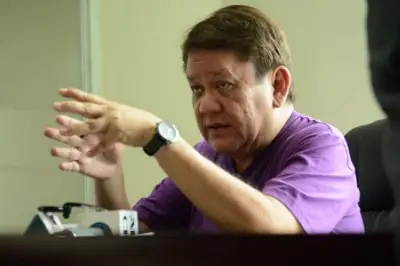
Navotas Representative Toby Tiangco has introduced House Bill No. 4181, advocating for a universal pension of P1,000 per month for every senior citizen nationwide, even those receiving SSS or GSIS pensions. Currently, only half of the country's senior citizens benefit from the existing P1,000 social pension, according to the Department of Social Welfare and Development (DSWD).
Rationale and Financial Implications
Tiangco argues that current pension amounts from SSS and GSIS are insufficient for daily needs, especially for long-retired individuals. He asserts that these existing pensions should not disqualify seniors from social support, as the aid is crucial for maintaining dignity in later life. With approximately 14 million senior citizens in the Philippines, the proposed universal pension would cost around P168 billion annually. This amount is notably small compared to the over one trillion pesos lost in anomalous flood control projects, highlighting the bill's potential impact on social welfare.
In summary, while existing laws provide foundational support, the push for a universal pension aims to address gaps and ensure no senior citizen is left behind, fostering a more inclusive and dignified aging process in the country.