Nine Cebu PUV Drivers Fail Drug Tests, Face Immediate License Revocation
In a significant crackdown on substance abuse among public transport operators, confirmatory tests have verified the illegal drug use of nine public utility vehicle (PUV) drivers in Cebu. The drivers failed initial screenings during surprise inspections conducted at the Cebu North and South Bus Terminals on Monday, March 30, 2026.
Details of the Positive Drug Tests
According to the Philippine Drug Enforcement Agency (PDEA) 7, the tests identified four taxi drivers and five bus drivers who tested positive for methamphetamine hydrochloride, commonly known as shabu in the Philippines. The Land Transportation Office (LTO) 7 has taken swift action, moving to revoke the licenses of all involved drivers following the confirmatory results.
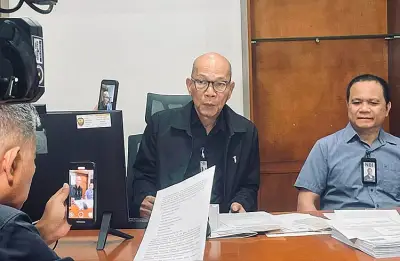
LTO 7 Director Wendel Dinglasan underscored the agency's strict stance on this issue, emphasizing a zero-tolerance policy for motorists caught using illegal substances. "Walang second chance, sir, kasi drugs ito eh (There are no second chances, sir, because this involves drugs)," Dinglasan stated, highlighting the serious consequences for such violations.

Rehabilitation and Ongoing Safety Measures
PDEA 7 Information Officer Leia Alcantara explained that the agency will endorse the drivers to their respective local government units (LGUs) for comprehensive assessment. Based on the outcomes, these individuals may be enrolled in rehabilitation programs aimed at addressing their substance abuse issues.
PDEA 7 Director Joel Plaza elaborated on the intervention options available, noting that LGUs like Cebu City offer various programs, including facility-based rehabilitation and community-based initiatives designed to help users reintegrate into society. "Rehabilitation will come after the assessment, because there is facility-based rehab and there is also community-based or general intervention," Plaza said, speaking in a mix of Cebuano and English.
To bolster public transport safety, Plaza announced that "Oplan Harabas," the agency's surprise drug testing initiative, will be transformed into a regular operation. Instead of limiting tests to peak travel seasons such as Christmas or Holy Week, the agency plans to conduct random screenings throughout the year, ensuring ongoing vigilance and deterrence against drug use among drivers.