Coast Guard Divers Recover Bodies from Sunken Ferry in Basilan
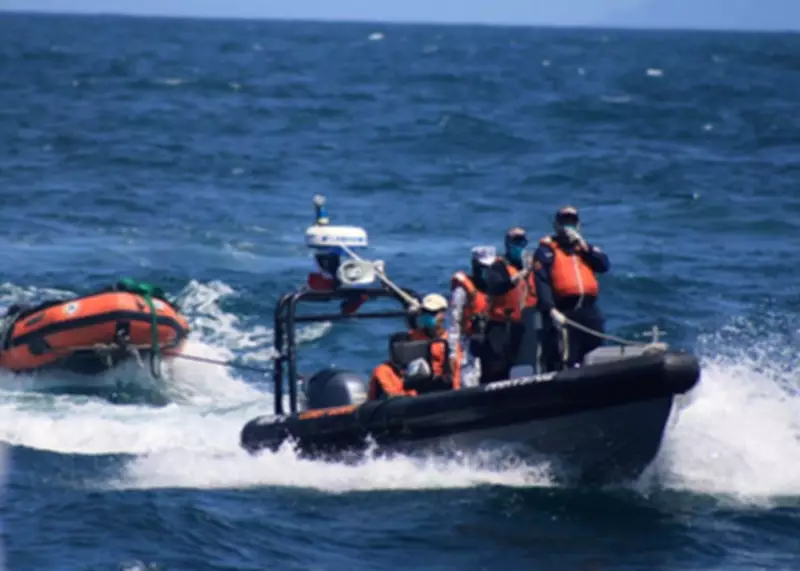
In a somber operation, technical divers from the Philippine Coast Guard successfully recovered two bodies from inside the sunken M/V Trisha Kerstin 3. The recovery mission took place early Wednesday, February 4, 2026, near Baluk-Baluk Island in Hadji Muhtamad, Basilan, at a depth of approximately 52 meters. The divers were able to enter the vessel, marking a critical step in the aftermath of the maritime tragedy.
Congressional Inquiries Spark Calls for Maritime Industry Overhaul
As both houses of Congress launched inquiries into the sinking of the M/V Trisha Kerstin 3, 1Tahanan Party-list Representative Nathan Oducado issued a strong appeal to his fellow lawmakers. He urged support for legislative measures aimed at improving the state of the Philippines' maritime industry and its regulatory framework. "While it is clear that Aleson Shipping is at fault, this is a wake-up call as to the state of the country’s maritime transportation and the maritime industry as a whole," Oducado stated.
Following the sinking in January 2026, the Department of Transportation (DOTr) suspended the operations of Aleson Shipping Lines. This suspension is in effect while safety audits and inspections are conducted by the Maritime Industry Authority (Marina) and the Philippine Coast Guard (PCG). Oducado highlighted a significant concern: "Because of the lack of competition in shipping and transportation, suspensions however warranted hinder the flow of goods and transportation between and among islands in the Philippines."

Impact of Suspension and Lack of Competition
Aleson Shipping, based in Zamboanga City, operates extensive ferry and cargo connections to key locations, including:
- Isabela and Lamitan in Basilan
- Jolo and Siasi in Sulu
- Bongao, Tawi-Tawi
- Dapitan City, Zamboanga del Norte
- Dumaguete City to Siquijor in the Visayas
Oducado pointed out that while other shipping companies have been permitted to operate on Aleson's former routes, there is a clear deficiency in operators with the necessary capital and capability to service many of these areas. "We need to develop our maritime industry, modernize our fleet, and empower companies to invest in ferry and cargo operations, so that domestic trade and transportation will not be held hostage by the suspension of one company," he emphasized.
Legislative Proposals to Foster Innovation and Investment
In July, Representative Oducado filed two key bills to address these systemic issues. House Bill (HB) 2598, known as the Shipbuilding and Ship Repair Development Bill, seeks to create new mandates for several government agencies, including the Department of Trade and Industry, Department of Science and Technology, Department of Labor and Employment, and the Technical Education and Skills Development Authority. This bill aims to support research and development while providing institutional support to the shipbuilding and ship repair (SBSR) industry.
Additionally, HB 2597, or the Shipyard Industry Fiscal Incentives Bill, proposes amendments to the country's fiscal policy. It would incentivize companies to invest in the SBSR industry by offering exemptions from Value-Added Tax (VAT) and from taxes and duties on Imported Capital Equipment and Materials. Oducado argued, "Competition breeds innovation and motivates companies to deliver the best services for the lowest cost to commuters and shippers. The lack of competition breeds complacency and negligence from companies who operate alone in their areas and routes, and from regulators in charge of supposedly holding them to account."
The recovery of the bodies and the ongoing congressional actions underscore the urgent need for comprehensive reforms in the Philippine maritime sector to prevent future tragedies and enhance safety standards.