Marcos Initiates High-Level Talks with Iran to Secure Energy Stability
President Ferdinand Marcos Jr. is actively pursuing high-level diplomatic discussions with Iran to ensure the safe passage of Philippine-bound vessels through the strategically vital Strait of Hormuz. This move is part of a broader effort to safeguard the nation's energy stability amidst escalating global tensions.
Urgent Diplomatic Efforts Underway
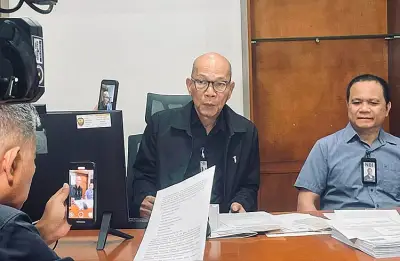
In a press conference held on Tuesday, March 31, 2026, Palace Press Officer Undersecretary Claire Castro revealed that during a meeting of the Unified Package for Livelihoods, Industry, Food and Transport (Uplift) committee on Monday, March 30, President Marcos directed Department of Foreign Affairs (DFA) Secretary Maria Theresa Lazaro to arrange these critical talks. Castro stated, "According to Secretary Tess Lazaro of the Department of Foreign Affairs, she will speak with the ambassador of Iran, most likely tomorrow. If that does not happen tomorrow, it will be by next week." This underscores the urgency of the situation as the Philippine government seeks to mitigate potential disruptions to its energy supply chain.
Strategic Importance of the Strait of Hormuz
The Strait of Hormuz, a crucial maritime chokepoint controlled by Iran, serves as a primary route for crude oil tankers transporting petroleum products worldwide. Currently, the strait is at the center of geopolitical conflicts involving Iran, the United States, and Israel. Any closure or significant disruption in this area could have immediate and severe repercussions on global oil markets, potentially leading to sharp price increases that would impact economies globally, including the Philippines.

Diversifying Oil Sources Amid Global Crisis
Facing a looming global oil crisis, President Marcos emphasized that the Philippine government is proactively exploring alternative sources of petroleum products. The administration is looking beyond traditional suppliers and considering non-traditional partners through government-to-government procurement agreements. Among the potential sources being evaluated are Russia, Indonesia, and India. This diversification strategy aims to reduce dependency on volatile regions and ensure a more resilient energy supply.
Current Oil Supply and Emergency Measures
Despite the challenges, President Marcos has assured the public that the Philippines currently maintains a sufficient oil supply to last until June 30. In a recent development, the Department of Energy reported the arrival of the first shipment under its Emergency Energy Security Program. This shipment included 22,578,000 million liters, equivalent to 142,000 barrels of diesel, marking a significant step in bolstering the nation's emergency reserves. These measures highlight the government's commitment to preemptively addressing energy security concerns and stabilizing the domestic market.