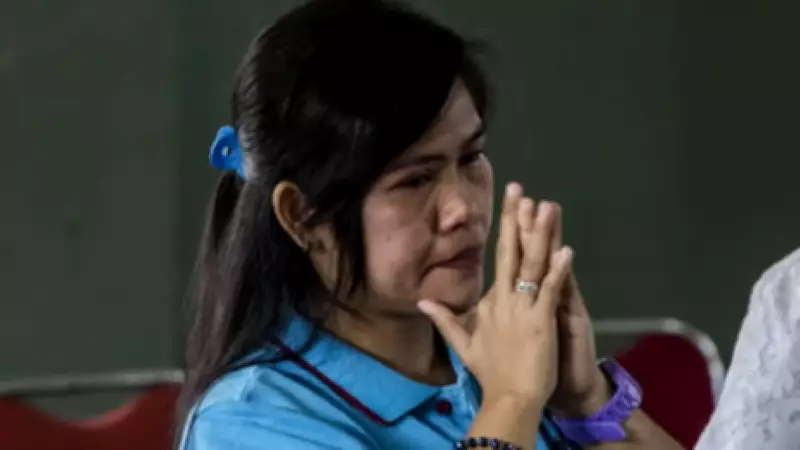
Philippine Government Reviews Mary Jane Veloso Case for Possible Transfer from Indonesia
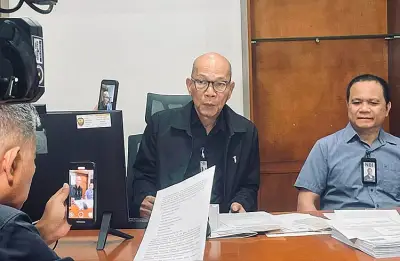
The Office of the Executive Secretary (OES) is currently conducting a thorough review of the provisions and meeting records related to the Philippine government's discussions with Indonesia concerning the case of Mary Jane Veloso, according to an announcement from Malacañang on Tuesday. This development marks a significant step in the long-standing legal saga involving the Filipino national who has been incarcerated abroad for drug trafficking charges.
Background and Current Situation
Mary Jane Veloso, a Filipino woman convicted of drug trafficking in Indonesia, has formally requested permission to return to the Philippines after 16 years of separation from her family. Her plea is based on the need to care for her elderly parents and children, highlighting the human toll of her prolonged detention. In response, Indonesia has agreed in principle to transfer Veloso to the Philippines, where she would continue to serve her sentence in a local facility.
This potential transfer follows a history of legal interventions. After spending 15 years in detention, Veloso's death sentence was commuted in 2015 through appeals made by Philippine officials, including the late President Noynoy Aquino. This commutation was a critical turning point, shifting the focus from execution to imprisonment and now to possible repatriation.

Legal Challenges and Family Appeals
Despite the progress, Veloso's case remains fraught with legal complexities. Her parents, Cesar and Celia Veloso, have petitioned the Supreme Court of the Philippines for her release, arguing that there is no legal basis for her continued imprisonment in the country. They contend that her conviction abroad should not automatically translate to incarceration in the Philippines, raising questions about jurisdictional and humanitarian considerations.
The OES's review is expected to delve into these issues, assessing the feasibility and legality of the transfer agreement. This process involves scrutinizing past government meetings and provisions to ensure compliance with both Philippine and Indonesian laws. The outcome could set a precedent for similar cases involving Filipinos detained overseas.
Implications and Next Steps
The case of Mary Jane Veloso underscores broader themes in Philippine foreign relations and human rights advocacy. It highlights the government's role in protecting citizens abroad and the ongoing efforts to address drug-related offenses through diplomatic channels. As the review progresses, stakeholders, including human rights groups and legal experts, are closely monitoring the situation for potential impacts on bilateral relations and individual rights.
In summary, the Philippine government's examination of Mary Jane Veloso's case represents a pivotal moment in her long journey toward possible reunification with her family. With Indonesia's conditional agreement and ongoing legal appeals, the focus now shifts to the OES's findings, which will determine the next steps in this emotionally charged and legally intricate matter.