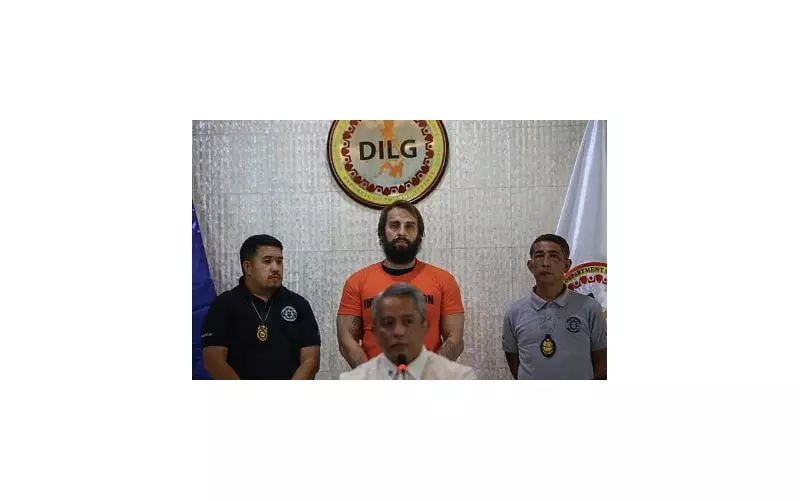
The Philippines is set to deport controversial Russian video blogger Vitaly Zdorovetskiy after he completed his sentence for a series of public order offenses committed in Metro Manila last year.
Deportation Order Finalized
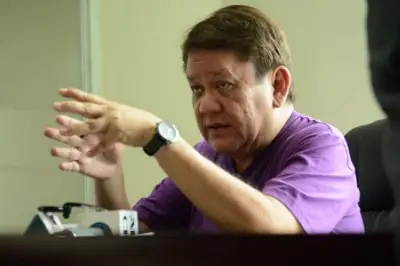
Department of the Interior and Local Government (DILG) Secretary Juanito Victor “Jonvic” Remulla announced the decision during a press conference at the DILG office in Quezon City on Thursday, January 15, 2026. Remulla confirmed that Zdorovetskiy, who holds a United States green card, will be sent back to his home country.
"He carries a Russian passport, so the deportation will be processed there," Secretary Remulla stated, clarifying that standard immigration procedures for foreign nationals will be followed.

Reminder to Foreign Visitors
The DILG chief took the opportunity to issue a firm reminder to all tourists visiting the archipelago. He emphasized that while visitors are welcome, they are expected to abide by Philippine laws, just as Filipinos are required to follow regulations when traveling overseas.
The Bureau of Immigration (BI) has officially issued the deportation order. The agency is currently awaiting final clearances from the National Bureau of Investigation (NBI) and the courts before carrying out the removal. All legal cases and corresponding penalties against the vlogger have been fully resolved.
Flight Details and Past Offenses
Zdorovetskiy is scheduled to leave the country within the week. His departure route will be via Kalibo, Aklan, on a connecting flight destined for Moscow, Russia. Coordination between Philippine and Russian authorities is already underway to facilitate the process.
The Russian national was arrested in April last year for creating prank video content that violated several local laws in Bonifacio Global City (BGC), Taguig. His reported acts included:
- Attempting to kiss and physically grab a security guard.
- Trying to seize the firearm of the security personnel.
- Recording individuals without obtaining their consent.
- Conducting vlogging activities in BGC without the necessary permit.
This case has highlighted the boundaries of content creation and the importance of respecting local norms and legal statutes while in the Philippines.