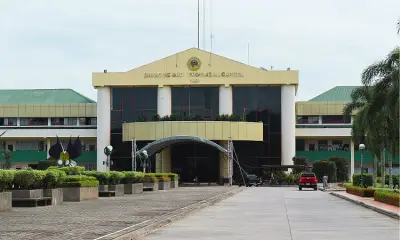
Sandiganbayan Rejects Revilla's Motion to Inhibit Justice in Malversation Case
The Sandiganbayan, the Philippines' anti-graft court, has firmly denied the motion filed by former Senator Ramon "Bong" Revilla Jr. requesting the inhibition of Associate Justice Karl Miranda from his ongoing malversation case. The court ruled that there is no sufficient basis for such a move, emphasizing the need to uphold judicial integrity and prevent delays in the justice system.
Court's Rationale for Denial
In a resolution dated February 10, the Sandiganbayan stated that it is Justice Miranda's duty to continue presiding over the hearings related to the alleged ₱92.8 million ghost flood control project in Pandi, Bulacan. The court highlighted that inhibiting a justice without clear evidence of bias or personal interest could open the door to forum-shopping and undermine the swift and fair delivery of justice. This decision underscores the court's commitment to maintaining procedural fairness and avoiding unnecessary disruptions in high-profile cases.
Background of the Motion
Revilla's legal team had previously sought Miranda's recusal, arguing that the justice's brother once served as a lawyer for former Public Works Undersecretary Roberto Bernardo during a Senate inquiry into flood control anomalies. Bernardo is now a state witness in these cases. Additionally, Miranda disclosed that he is a friend of Revilla's lead counsel, Atty. Ramon Esguerra. However, the Sandiganbayan asserted that rules on inhibition must be applied with careful consideration of the court's fairness and integrity, noting that mere associations do not automatically warrant recusal.

Implications and Final Ruling
As a result of this ruling, the court has definitively dismissed Revilla's motion due to its lack of merit. This decision allows the malversation case to proceed without further interruptions, ensuring that the legal process moves forward efficiently. The case, which involves significant public funds and allegations of corruption, continues to draw attention as part of broader efforts to combat graft in government projects.