Cebu's Iconic Carbon Market Faces Transformation Amid Vendor Concerns and Legal Challenges
The bustling landscape of Cebu's commercial hubs has long been dominated by major malls like Gaisano, Ayala, and SM. However, a new development is stirring apprehension among approximately 4,000 vendors at the Carbon Public Market in Cebu City, who fear their historic marketplace could be transformed into yet another mall. This concern arises as Carbon, the largest public market in Cebu, undergoes a multi-billion peso redevelopment under a joint venture agreement (JVA) between the Cebu City Government and Cebu2World Development Inc. (C2W), a subsidiary of Megawide Construction Corp.
Vendor Anxieties Over Rent and Market Identity
Why are vendors worried about the potential mall-like transformation of the once-vibrant Carbon Market? Erwin Goc-ong, president of the Cebu Market Vendors Multi-purpose Cooperative, expressed alarm that if Carbon becomes "world-class," stall rents could skyrocket by 300 percent from the current rate of P8.50 per square meter. This steep increase threatens the livelihoods of many small-scale traders who have long relied on the market's affordability.
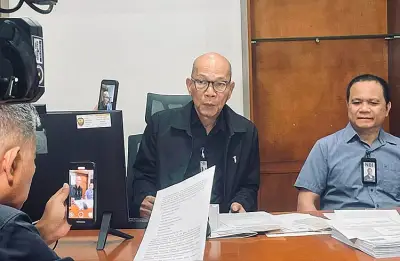
In response, C2W quickly assured vendors during a briefing on February 6, 2026—just a day after a "silent protest" by Carbon vendors—that rents will remain at P8.50 per square meter when they relocate to the new market, with this rate guaranteed until 2028. The developers emphasized that ownership of the Carbon Market will stay with the City of Cebu, and no vendor, including regular and ambulant sellers, will lose their spot, as confirmed by the Office of the City Markets (OCM).

Furthermore, C2W clarified that the OCM will continue to manage the vendor list and stall assignments, not the developer. The redevelopment is set for completion by December 2026, utilizing precast technology to expedite construction and minimize disruption.
Legal Controversy and Financial Scrutiny
The controversy surrounding the Carbon Market redevelopment extends beyond vendor concerns. Cebu City Vice Mayor Tomas Osmeña filed a petition with the Supreme Court on January 16, 2026, seeking to halt the project on grounds of alleged legal violations and financial disadvantage to the city. The Carbon market project, which began in 2021 under a P5.5 billion JVA, has since ballooned to P8 billion.
Osmeña questioned the city's potential loss, noting that in 2021, Carbon generated over P58 million in revenue, but under the JVA, the city is only guaranteed P50 million. Adding to the controversy, former Cebu City vice mayor Mike Rama reportedly pressured councilors in 2021 to approve the JVA without any of them reading the 75-page contract, leading to what critics call an "approved without reading" decision.
This legal battle underscores the deep-seated tensions between modernization efforts and preserving the market's heritage, as Cebu navigates the balance between economic development and social equity.