The Cebu Provincial Government is now scrutinizing the use of a P150-million fund originally allocated for the controversial transfer of the Capitol to Balamban town. This follows the definitive cancellation of the relocation plan due to unresolved land ownership issues.
Funding in Limbo After Project Cancellation
According to Assistant Provincial Administrator Aldwin Empaces, the substantial budget, which came from the Department of Public Works and Highways (DPWH) allocation for 2025, is now in a state of limbo. The core problem is that the land previously identified for the new Capitol building in Balamban is not owned by the province and remains unpaid.
Empaces clarified that the construction of a new Capitol building in Balamban is no longer being planned. "It's just that there is already funding for 2025 worth P150 million for a Capitol building, so that's what we are now asking clarification from the DPWH," he explained to reporters.

Exploring Realignment for an Innovation Hub
With the deadline for identifying a site and submitting plans to the DPWH set within the first quarter of 2026, the province is urgently exploring options to avoid wasting the allocated money. The current focus is on requesting the realignment of the funds for other purposes within Balamban.
"Right now, what we are looking at is how to use those funds because it would be a waste. We are asking if it can be realigned for other purposes," stated Empaces. One promising alternative being tested is the concept of an innovation hub or a mixed-use government center in the same area. "We are testing the idea of an innovation hub — it's like a government center, but it can be used for mixed-use purposes," he added.
Renovation of Existing Capitol Complex Prioritized
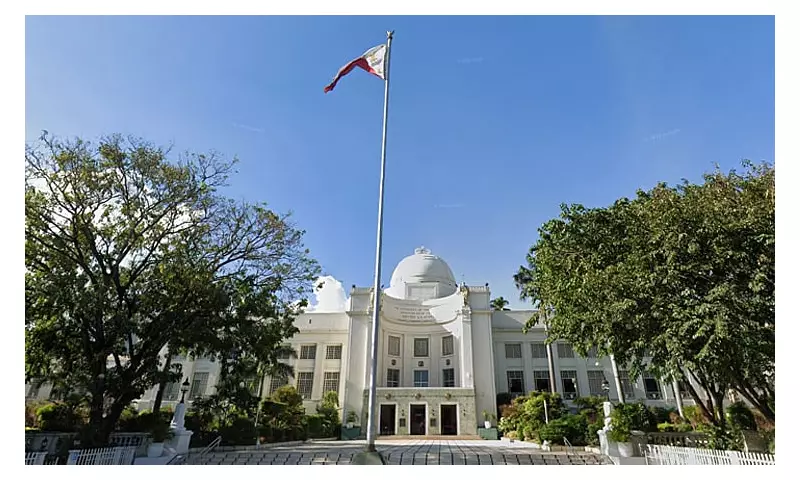
Concurrently, Governor Pamela Baricuatro has directed provincial officials to focus on the renovation and full utilization of the existing Capitol complex in Cebu City. Empaces detailed that renovations are being carried out gradually and in phases, which require approvals from the National Historical Commission of the Philippines due to the building's historical significance.
Key plans include maximizing the use of the Legislative Building for the office of the vice governor and members of the Sangguniang Panlalawigan. This shift in strategy underscores a move to enhance and modernize the current seat of provincial governance rather than establishing a new one.
The province's pivot marks a significant shift in its infrastructure strategy, balancing the need for development in other areas like Balamban with the practical and historical importance of its current capital location.