The Mandaue City Council has taken a decisive step to bring order and fairness to the city's motorcycle-for-hire services, commonly known as habal-habal, by approving a resolution aimed at standardizing fares across all 27 barangays. This move comes in response to mounting complaints from commuters, particularly students and workers, who have long struggled with inconsistent and arbitrary pricing that has burdened their daily travels.
Addressing Inconsistent Fare Charges
Reports have highlighted significant discrepancies in fare charges for similar distances, with some drivers charging anywhere between P25 and P40 for trips of around one kilometer. This irregular pricing has raised concerns about exploitation and financial strain on passengers, many of whom rely on habal-habal as a primary mode of transportation in interior areas where access to other public transport options, such as tricycles, is limited.
Empowering Barangays for Fair Pricing
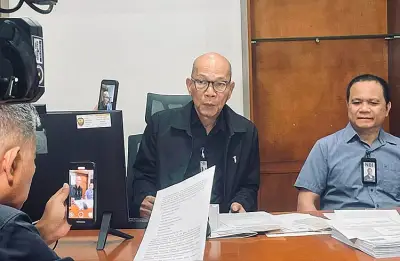
Authored by Councilor Jun Arcilla Jr. and supported by Liga ng mga Barangay President Dante Borbajo, Resolution 365-2026 empowers barangay captains to take the lead in setting reasonable and uniform fare structures. Under the resolution, barangay captains will convene meetings with habal-habal drivers operating in their respective areas to agree on appropriate rates through consultations with driver group leaders.

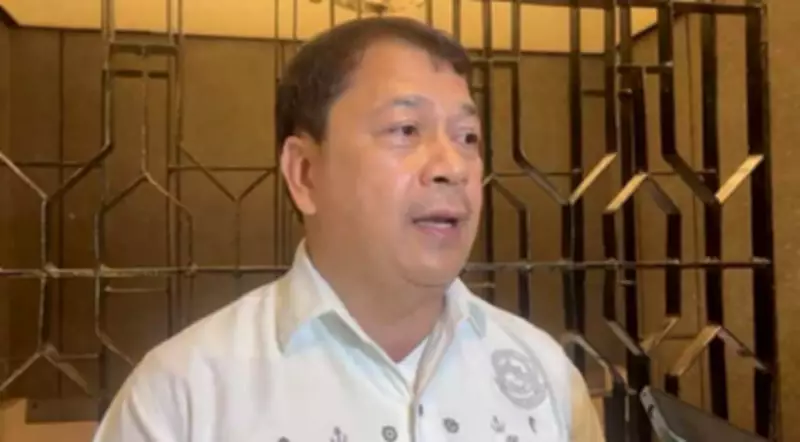
Arcilla emphasized the importance of this initiative, stating, "We crafted this resolution so barangay captains can call for meetings and determine the correct and fair fare, ensuring there will be no confusion or conflict. If we leave this unchecked, it could lead to disorder, with some drivers charging whatever they want. This is especially difficult for students."
Balancing Fairness and Economic Realities
While acknowledging that fare increases may be necessary due to rising fuel prices, Arcilla stressed the need for regulation to prevent abuse and protect commuters. The final fare matrix will depend on the outcomes of the barangay-level discussions, aiming to strike a balance between fair compensation for drivers and affordable, predictable costs for passengers.
Filling a National Policy Gap
The resolution also addresses the absence of a national policy governing motorcycle-for-hire fares. Although the proposed Motorcycles-for-Hire Act, which would empower the Land Transportation Franchising and Regulatory Board (LTFRB) to set fare structures, was approved by the House of Representatives in July 2024, it remains pending in the Senate. In the interim, local officials in Mandaue hope to fill this gap by implementing standardized fares to protect commuters from inconsistent and excessive charges.
This proactive measure underscores the city's commitment to enhancing public transport equity and ensuring that habal-habal services continue to serve as a vital lifeline for communities in areas like Barangay Casili and Barangay Tawason, where transportation options are scarce.