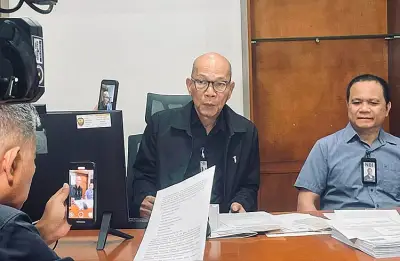
BACOLOD. Negros Occidental Third District Representative Javier Miguel Benitez has formally introduced a significant legislative proposal aimed at fortifying the nation's economic defenses. On March 27, 2026, Benitez filed the Resilient Economy and Stabilization for Crisis and Urgent Emergencies (Rescue) Act, a comprehensive bill designed to create a more robust and institutionalized system for rapid economic crisis management.
Proactive Measures Amid Global Tensions
The timing of this legislative move is critical, as it coincides with escalating international tensions affecting the Strait of Hormuz. These geopolitical developments have driven oil prices to approach $115 per barrel, with local diesel prices already hovering around P130 per liter. Projections indicate further increases, underscoring the urgency for a structured economic response mechanism.
Building on Existing Frameworks
The Rescue Act seeks to expand and institutionalize the approach initiated by the Bayanihan Economic Resilience Bill. According to Benitez, this new measure ensures that response systems, dedicated funding, and coordination mechanisms are pre-established before a crisis occurs. This proactive strategy allows for faster and more targeted interventions, minimizing economic disruption.

In a statement, Benitez emphasized that the Rescue Act institutionalizes a whole-of-government approach to crisis preparedness. By having systems in place ahead of emergencies, the government can act swiftly and effectively, rather than scrambling to react after the fact.
Key Components of the Rescue Act
At the heart of the proposed legislation is the establishment of a Bayanihan Economic Stabilization Fund, with a target capitalization of at least P50 billion. This fund would be mobilized immediately upon the declaration of a national emergency, with assistance required to be deployed within 72 hours.
The bill also proposes the creation of a National Economic Resilience Council to coordinate response efforts across various government agencies. Additionally, a real-time Economic Early Warning System would be implemented to monitor potential risks and enable timely interventions.
Protections for Vulnerable Sectors
Benitez highlighted that transport workers, fisherfolk, overseas Filipino workers in conflict-prone areas, and micro, small, and medium enterprises are among those most vulnerable to the ongoing crisis. The effects are expected to ripple across multiple sectors, impacting communities and the broader economy, including the Third District of Negros Occidental.
In his district, rising fuel costs are directly affecting the transport of sugarcane from farms to mills, increasing hauling expenses for local operators and farmers. Fishing communities are also facing higher operational costs for vessels, further squeezing already tight margins.
Strengthening Emergency Protections
The Rescue Act includes provisions to enhance emergency protections for citizens and businesses. These measures encompass direct cash transfers, fuel and wage subsidies, and mandatory grace periods on loans, rent, utilities, and insurance during declared national emergencies.
Furthermore, the bill aims to boost supply chain resilience, enhance energy security, and build strategic reserves to mitigate future crises. By addressing gaps in current emergency frameworks, Benitez aims to strengthen the country's overall economic resilience and ensure a more prepared and responsive system.
With the proposed Rescue Act, Benitez is pushing for a forward-thinking approach to economic crisis management, emphasizing preparedness and swift action to safeguard the nation's economic stability in an increasingly volatile global landscape.