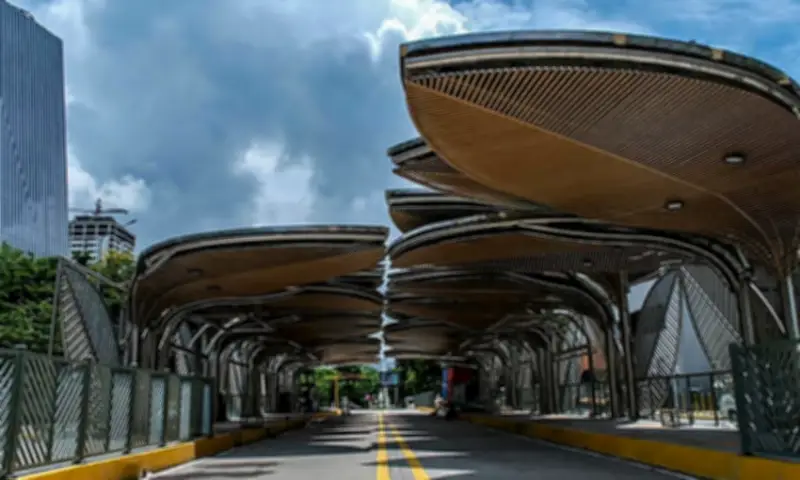
The Cebu City Council, during a special session on July 3, 2026, formally rejected the Department of Transportation’s (DOTr) proposal to prioritize the South Road Properties (SRP) segment of the Cebu Bus Rapid Transit (CBRT) project. The council insisted that the original Bulacao-to-Talamban corridor must remain the priority to ensure the transit system serves populated residential districts rather than just commercial areas.
Council’s Action
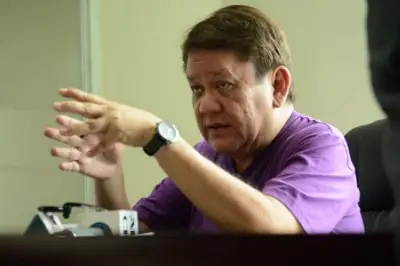
Vice Mayor Tomas Osmeña led the council in adopting a resolution that changed a previous request for reconsideration into a formal rejection of the proposed alignment. Councilors Phillip Zafra, Paul Labra II, Michelle Abella-Celona, Sisinio Andales, Alvin Arcilla, and Jose Abellanosa voted for the measure. Councilors Pastor “Jun” Alcover Jr. and Harry Eran voted against it. Councilors Dave Tumulak, Winston Pepito, Mikel Rama, and Nice Archival abstained, citing a need for more time to study the legal implications. Osmeña also voted for the resolution.
The resolution rejects the realignment and affirms the city’s position that the CBRT should follow the original route from Barangay Bulacao in the south to Barangay Talamban in the north.

Route Dispute
The DOTr has proposed prioritizing the SRP segment while work on parts of the original corridor remains unfinished. Osmeña argued that this would divert the project from its purpose of serving populated residential communities in the city’s northern and southern districts. “The issue is not how fast. If we allow this to happen, the chances of pursuing the opening up of north and south Cebu are highly jeopardized,” he said.
Osmeña emphasized that the SRP already has road access, while communities such as Mambaling, Basak San Nicolas, Pasil, and other southern barangays still lack sufficient transport connectivity. He stated that public infrastructure should benefit residential communities before commercial districts.
DOTr Position
CBRT project manager Norvin Imbong assured that the original Bulacao-to-Talamban alignment remains part of the project and has not been abandoned. He explained that the SRP segment is being prioritized because it can be implemented before the World Bank-funded project reaches its loan closing deadline in September 2026.
During council deliberations, Imbong noted that the SRP corridor requires little to no right-of-way (ROW) acquisition, allowing construction to proceed using remaining loan proceeds. In contrast, the original corridor still faces major ROW problems. According to Imbong, 121 properties are needed for acquisition: 39 under negotiated sale and 82 requiring expropriation, with eight lots already paid for.
The City Planning and Development Office acknowledged that the Bulacao-to-Talamban corridor has greater transport demand but stated that the issue is priority, not cancellation of the original route.
Legal Concerns
The council was divided on whether the resolution could affect the DOTr’s next steps. Councilor Pepito said the resolution is a statement of the council’s position and does not stop the DOTr from proceeding with the realignment. He noted that an action with binding force would require an ordinance, while implementation depends on the executive department and existing agreements. “For now, it’s up to the mayor and the executive department,” he said.
Osmeña argued that the wording matters. He said an appeal to the DOTr would leave the National Government free to proceed even if the city opposed the alignment. “If the City disapproves of the alignment, the DOTr cannot override it,” Osmeña said, describing the amendment as having a “minor but big impact.”
Councilor Tumulak questioned the need for the amendment, citing a previous council resolution that urged the Office of the President and the World Bank to review and reconsider the proposed realignment. He suggested giving the DOTr time to act. Osmeña disagreed, stating that the earlier resolution only asked for reconsideration, while the amended resolution stated the city’s rejection.

Bulacao-to-Talamban Corridor Still Part of the Alignment
Councilor Pepito said he supports completing the original route but also wants the SRP included in the CBRT system. He noted that the original alignment had not been removed and that the dispute is over which segment should be built first. The SRP segment could be built sooner because roads are already available, whereas completing the Bulacao-to-Talamban corridor would require ROW acquisition and road widening that could involve demolition of affected structures.
Councilor Zafra said the essence of the CBRT is to improve mobility and that land acquisition along the original alignment should remain the city’s priority.
Next Steps
The council’s action now states Cebu City’s formal opposition to the proposed CBRT realignment and its preference for the original Bulacao-to-Talamban route. What remains unresolved is whether the resolution will affect the DOTr’s plan to prioritize the SRP component or whether the project will proceed under existing approvals and agreements.
Pepito said he would see whether the council’s action would have legal implications on the implementation of the proposed SRP component. Osmeña emphasized the urgency of prioritizing the Bulacao-to-Talamban route due to the growing urban poor population in northern Cebu City because of affordable housing. “Why don’t you ask the Cebuanos? Let the Cebuanos vote. Well, they don’t like it,” Osmeña said.