Cebu Governor and Vice Governor Clash Over Billion-Peso Tax Compromise Deal
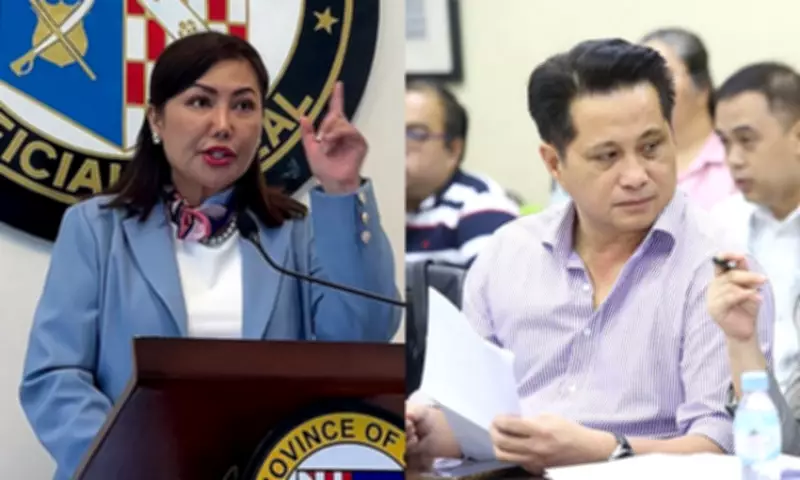
A massive tax debt reduction for Apo Land and Quarry Corp. (ALQC) has ignited a fierce political battle in Cebu, pitting Governor Pam Baricuatro against Vice Governor Glenn Soco and his One Cebu party allies. The compromise agreement, which slashed ALQC's tax assessment from a staggering P1.218 billion to just P211.56 million, represents an 82.64 percent decrease, amounting to over one billion pesos in forgiven debt.
Governor Baricuatro's "War" Declaration
At a press conference on March 11, 2026, Governor Baricuatro responded aggressively to Vice Governor Soco's criticism of the tax compromise. "Preparing for war? Because I am prepared for war," the governor declared, marking a dramatic escalation in tensions between the administration and the Provincial Board. This combative stance represents a stark departure from earlier social media interactions that had suggested possible political realignments following Baricuatro's upset victory in the 2025 elections.
The Core of the Controversy
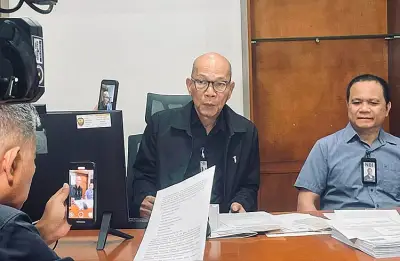
Vice Governor Soco, speaking at his own press conference on March 6, 2026, announced that the Provincial Board would review the compromise agreement between the provincial government and ALQC. His central complaint revolves around the lack of prior consultation with board members before the deal was negotiated. "The question of compromise should've been discussed first: was a deal necessary?" Soco argued, implying that proper procedures were bypassed.

Governor Baricuatro interpreted Soco's public statements as an implicit accusation of improper motives, suggesting her administration might have been bribed to agree to the favorable terms for ALQC. The vice governor's decision to air his concerns through a formal press conference rather than private channels appears to have particularly provoked the governor's ire.
Political Dynamics at Play
The conflict exposes the fragile political landscape in Cebu following the 2025 elections. While Governor Baricuatro holds the executive office, the Provincial Board remains dominated by One Cebu party members loyal to former governor Gwen Garcia. This creates a power dynamic where Baricuatro lacks the full control her predecessor enjoyed, with Garcia continuing to influence board members despite being out of office.
Several critical questions remain unanswered:
- Was the compromise agreement already signed before being presented to the Provincial Board?
- If signed, does the board's review constitute mere ratification rather than genuine oversight?
- What legal and accounting expertise informed the specific reduction amount?
Provincial Board's Uphill Battle
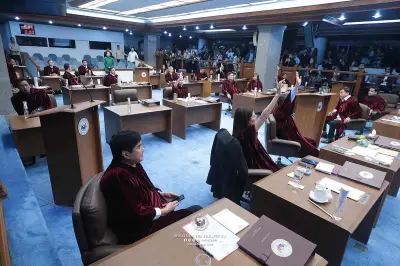
The Provincial Board now faces the challenging task of conducting a thorough review of the complex tax compromise. A joint hearing of two committees has begun, providing One Cebu members an opportunity to demonstrate their oversight capabilities. However, observers question whether board members possess the technical expertise needed to properly evaluate the agreement crafted by specialized lawyers and accountants.
The board must navigate multiple considerations:
- Ensuring the province collects what it's legally entitled to while acknowledging the debtor's capacity to pay
- Examining whether the reduction was justified or excessively favorable to ALQC
- Investigating whether any improper influence affected the negotiation process
Stakes and Implications
Governor Baricuatro's reputation hangs in the balance, potentially explaining her forceful public response. The controversy raises fundamental questions about transparency in government negotiations and the proper balance of power between executive and legislative branches at the provincial level.
As the Provincial Board proceeds with its review, all eyes will be on whether members can conduct meaningful fiscal oversight or will be overwhelmed by the technical complexity of the tax compromise. The outcome will not only determine the fate of the ALQC agreement but also set precedents for future governance in Cebu province.