The Cebu Provincial Government has officially launched a four-day workweek alongside stringent energy-saving regulations, effective Monday, March 9, 2026. This move aligns with a national directive from President Ferdinand Marcos Jr., aimed at conserving energy amid ongoing conflicts in the Middle East. However, Cebu City has opted to postpone its implementation to conduct a thorough assessment of the policy's potential impacts on local operations and the community.
New Provincial Work Schedule and Energy Rules
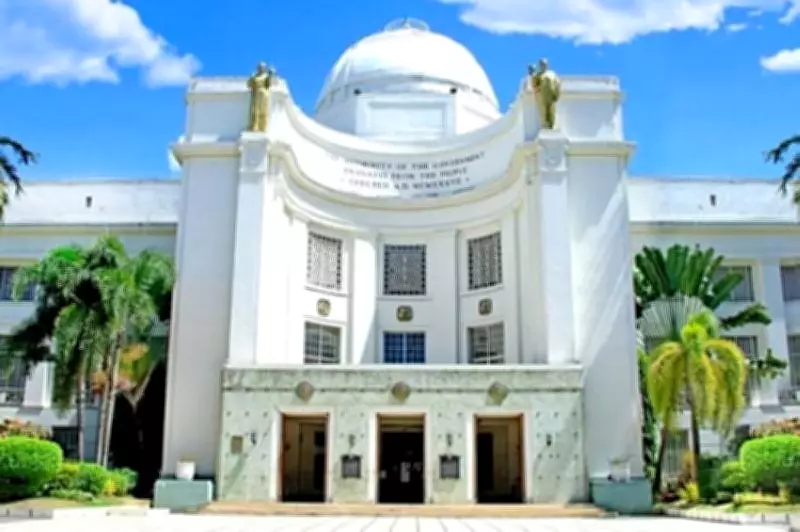
Governor Pamela Baricuatro issued Executive Order 16 to enforce the new measures across provincial offices. Under this order, employees will work from 8 a.m. to 7 p.m. to fulfill the mandatory 40-hour weekly requirement, with exemptions granted for emergency personnel and healthcare workers to ensure uninterrupted public services.
Energy conservation efforts include setting air-conditioning units at 24 degrees Celsius and powering down equipment during lunch breaks, after hours, and on closed days. The Province is also promoting online meetings and encouraging municipalities to adopt similar practices, targeting a reduction in electricity consumption by 10 to 20 percent.

Cebu City's Deliberative Approach
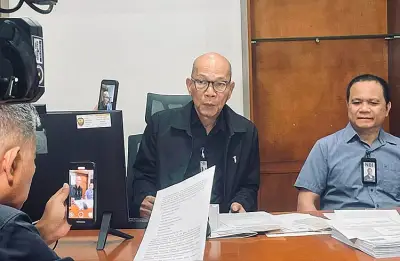
In contrast, Cebu City Mayor Nestor Archival announced that the City is still evaluating the four-day workweek policy. He has engaged in discussions with the Cebu Chamber of Commerce and Industry, where some members expressed reservations about the proposed setup.
"We are carefully considering all feedback before making a decision," Archival stated, emphasizing the need for a balanced approach. City department heads have been tasked with providing recommendations, with a final decision expected by the end of the week. If adopted, the City may adjust working hours to meet requirements while maintaining essential services without disruption.
Independent Power-Saving Initiatives
Despite the delay, Cebu City is proactively implementing its own energy-saving measures. Archival revealed plans to turn off air-conditioning units at City Hall at noon, a strategy that previously saved approximately P80,000 monthly. Additionally, elevators and lighting in select offices will be gradually shut down by 4 p.m. each day.
To further support the community, Archival has directed the City Legal Office to reactivate a special task force. This team will collaborate with the Department of Trade and Industry to monitor market prices and prevent unjustified increases in the cost of basic goods, ensuring economic stability during this transitional period.