The Cebu Coalition of the United Vendors Association (CCUVA) has firmly rejected allegations of illegal fee collections inside Carbon Public Market, arguing that the figures cited by local officials misleadingly combine entirely different types of vendor payments. CCUVA president Maria Pino stated that attributing the entirety of these daily expenses to vendor associations creates an inaccurate picture of how the market’s financial ecosystem operates.
Background of the Controversy
The controversy surfaced after Cebu City Mayor Nestor Archival disclosed in May 2026 that private groups were allegedly collecting unauthorized daily, weekly, and monthly fees from vendors. In response, the Cebu City Council conducted an executive session on Tuesday, June 23, to determine the legality of the collections and examine possible regulations for the various vendor associations operating within the space.
Breakdown of Daily Market Fees
The dispute centers on allegations that some vendors pay between P300 and P420 a day solely to private associations. Archival estimated that if organizations with around 2,000 members were making these collections, the total could reach as much as P18 million a month. However, the CCUVA maintains that these calculations lump together distinct charges collected by different entities rather than a single association fee.

According to the coalition, the daily amount cited includes mandatory government fees alongside optional private services. The government charges consist of stall rentals, arkabala (daily market fees), entrance fees, general market fees, and barangay fees. In contrast, the remainder of the money goes toward optional private amenities that vendors choose to use for their daily operations, including the rental of tents, electricity connections, and lantay (wooden tables).
“Private service payments are optional. Vendors decide for themselves whether they will avail (themselves) of those services,” Pino said, emphasizing that it is unfair to hold vendor associations responsible for the cumulative total of these separate expenses.
Voluntary Membership and Vendor Protections
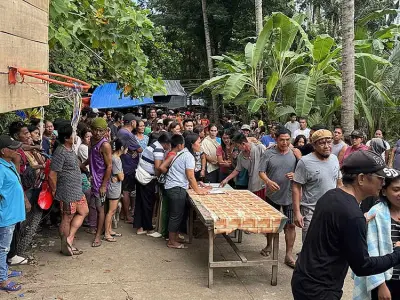
The distinction between these fees directly impacts the operations of the estimated 3,500 ambulant vendors in Carbon market. Currently, the Office of the City Markets (OCM) recognizes 52 vendor associations operating in the market, 38 of which are members of the CCUVA federation. The coalition clarified that joining any of these associations is not a requirement to conduct business in the market.
Vendors who choose to remain independent or decline private operational services are fully permitted to sell, provided they clear their mandatory obligations with the City Government. “Vendors can continue selling even if they are not members of any association. We cannot revoke their right to sell, cancel their permits, or remove them from the market. Only the government has that authority,” Pino said.
For vendors who do choose to join, the coalition notes that associations have historically complemented local government efforts by helping maintain cleanliness and order in assigned market sectors. The dues collected from members are also used to fund internal welfare initiatives, such as disaster relief financial aid and Christmas assistance.
Balancing Transparency with Privatization Concerns
While the CCUVA expressed disappointment over the narrative surrounding the collections, the organization stated that it supports official transparency, proper accounting, and government oversight to ensure all market activities are properly monitored. The coalition has called for a targeted investigation into actual abuses rather than a broad condemnation based on combined fee structures.
“Let us fix the problem, not distort it. If there are abuses, investigate them. If there are illegal collections, stop them. If government services are lacking, improve them. But let us not confuse government fees, association fees, and private service payments as if they were all the same thing because they are not,” Pino said.

As the City Government weighs potential regulations, the coalition urged officials to visit the market grounds to verify the collection system directly with the merchants. “If there are questions about the collections, the best people to ask are the vendors themselves. Go to Carbon and hear from them directly. The vendors are not foolish enough to hand over their money without knowing where it goes,” Pino said.
Moving forward, the coalition appealed to city leaders to remain focused on what vendors consider the most pressing long-term issue facing the community: the ongoing privatization of Carbon market.