Cebu's Multi-Billion Peso Flood Control Funds Face Intense Scrutiny
Between 2023 and 2025, Cebu's congressional districts received a staggering allocation ranging from P26 billion to P83 billion specifically designated for flood control projects. A critical investigation now seeks to determine how much of this substantial public funding has been lost, wasted, or potentially misappropriated through incomplete or substandard infrastructure projects.
Lawmakers Named in Allocation Investigation
Eleven current and former House members representing Cebu's congressional districts have been identified in connection with these funds, with their respective "allocables" and "non-allocables" clearly specified. While the official report detailing project locations and completion status remains pending, preliminary findings suggest numerous projects may have been ghost initiatives or constructed below acceptable standards.
The silence from implicated lawmakers has been conspicuous, raising public suspicion about potential fund diversion. Meanwhile, incumbent governors and mayors face increasing pressure to actively investigate project statuses within their jurisdictions, as these funds ultimately belong to their respective localities and communities.

Cebu City's Garbage Disposal Crisis Deepens
Cebu City confronts a mounting waste management emergency, currently relying on an unsustainable 60-kilometer dumping route alongside the controversial use of the South Road Properties as a temporary holding area. City leaders' public discussions reveal ambiguous decision-making processes, even with established legal frameworks supposedly guiding these critical choices.
The urgency of this crisis cannot be overstated, particularly given past corruption incidents involving substantial waste management contracts. Public safety concerns have been tragically highlighted by the Binaliw landfill collapse, which resulted in multiple fatalities and injuries. Future health impacts on nearby residents could be directly attributed to current decision-makers' choices.
Environmental Penalties Slashed Dramatically
In a controversial development, Apo Land and Quarry Corporation's assessed liabilities have been reduced from P1.218 billion to just P211.56 million. This massive reduction reportedly stems from the removal of extraction taxes on materials sourced from private property, leaving only environmental enhancement fees, monitoring fees, and limited penalties to be paid.
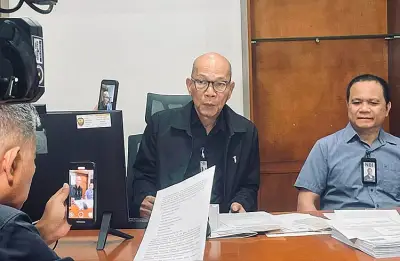
Governor Pam Baricuatro has referred this compromise agreement to the Provincial Board for thorough examination, specifically to determine whether provincial interests have been adequately protected or potentially compromised in this substantial penalty reduction.
Policy Changes Demanded After Binaliw Tragedy
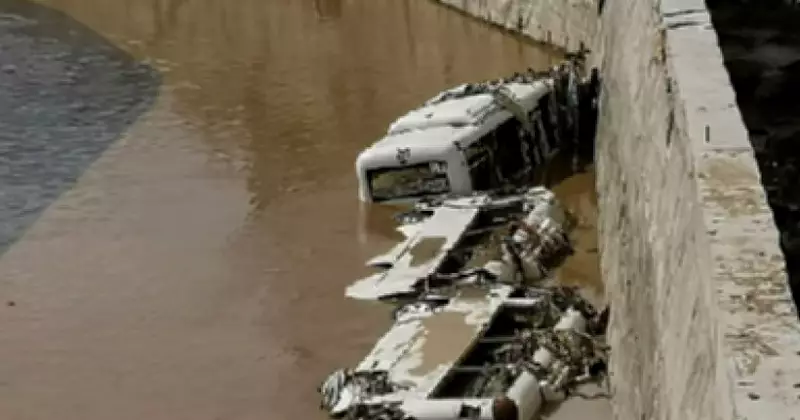
The devastating Binaliw landfill collapse, which claimed 36 lives, has exposed critical flaws in both solid waste management systems and area development projects that contributed to recent destructive flooding. While it remains unclear whether a formal investigation has been completed, the tragedy demands immediate policy revisions for the affected site and similar locations throughout the city.
Policymakers possess the authority to implement rule changes and improvements that could prevent future loss of life and property destruction. Natural disasters cannot serve as the sole explanation for such tragedies when government diligence and honesty in utilizing billions of pesos allocated for flood control could have significantly mitigated their impact.
The convergence of these crises—questionable flood control fund utilization, failing waste management systems, reduced environmental penalties, and tragic infrastructure failures—paints a troubling picture of governance challenges in Cebu that demand immediate transparency and accountability from public officials.