The Commission on Population and Development (CPD) has called for a whole-of-society approach to enable Filipino youth to reach their full potential and turn their dreams into reality.
World Population Day Forum Highlights Youth Challenges
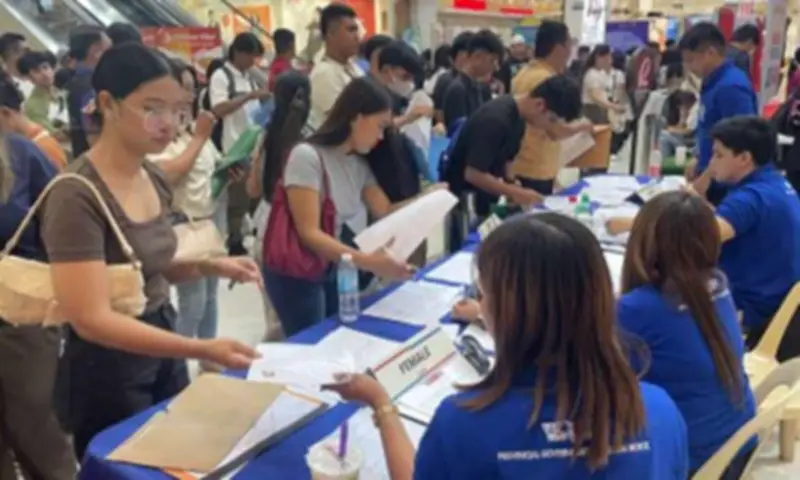
Speaking at the opening of the World Population Day 2026 Youth Aspirations Forum at Rizal Technological University in Mandaluyong City on Thursday, CPD Deputy Executive Director Lolito Tacardon emphasized the need to look beyond population statistics and focus on the real challenges and opportunities facing young Filipinos.
“Public policy is often guided by numbers. But behind every statistic is a young person with hopes, relationships, decisions to make, and a future to build,” Tacardon said.

He noted that the event provides an opportunity to listen to young people, as each generation faces unique circumstances.
“Today's young people are growing up in a world shaped by rapid technological change, economic uncertainty, climate risks, evolving family structures, and changing social expectations. Yet despite these realities, one thing remains remarkably constant: young people continue to dream,” he said.
Obstacles to Youth Aspirations
Tacardon stressed that families, schools, communities, government, and development partners must collaborate to create conditions that allow these aspirations to flourish.
While young Filipinos dream of completing their education, finding meaningful work, and improving their lives, many encounter obstacles that make these goals increasingly difficult to achieve.
Citing findings from the Longitudinal Cohort Study on the Filipino Child, Tacardon noted that Filipino children maintain strong ambitions from childhood through adolescence, but their opportunities often narrow over time.
“What changes is not the dream. What changes is the pathway toward achieving it,” he said.
Key Barriers Identified
The study found that financial hardship, the need to work, mental health concerns, bullying, violence, early pregnancy, and early unions often limit young people's educational and life opportunities.
Tacardon said these findings reinforce the need for sustained investments in education, health, nutrition, mental health, decent work opportunities, and safe communities. These should be viewed as interconnected efforts rather than stand-alone programs.
Strategic Investment in the Future
Tacardon emphasized that supporting young people is a shared responsibility among families, schools, communities, government agencies, civil society, and development partners.
“Investing in young people is not simply a social responsibility. It is a strategic investment in our country's future,” he said.
“If we truly want the Philippines to become more prosperous, more resilient, and more inclusive, then we must work together to ensure that every young Filipino has the opportunity—not merely to dream and aspire—but to realize those dreams,” he added.