In a significant development, civil society organizations are intensifying their calls for robust government measures targeting both illicit tobacco operations and the regulation of vaping products. This push follows recent enforcement actions and aims to align Philippine policies with regional standards.
Action for Economic Reforms Demands Sustained Enforcement
The Action for Economic Reforms (AER) has issued a strong statement urging the government to maintain relentless operations against illegal cigarette manufacturing and smuggling. The group emphasized that strict enforcement is crucial to effectively counter the illicit trade of tobacco products, which undermines public health and revenue collection.
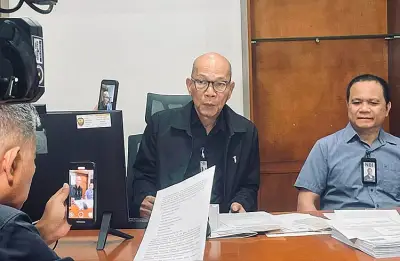
"AER reaffirms its stand that good enforcement, as exemplified by the latest DILG action, is the effective deterrent to illicit tobacco trade," the organization stated. This reference highlights a recent raid led by DILG Secretary Jonvic Remulla at an illegal cigarette warehouse in Pampanga, showcasing proactive measures against such activities.

Coordinated Efforts and Civil Society Support
AER called for sustained coordinated action among law enforcement agencies, revenue bodies, and Congress to combat the illegal movement of tobacco products. The group expressed readiness to assist the current administration in these efforts, stating, "You can count on civil society support in this ongoing illicit trade enforcement measures in order to protect public health." This collaboration underscores the importance of multi-sectoral approaches in addressing complex economic and health challenges.
Health Justice Philippines Advocates for Vape Ban
Simultaneously, Health Justice Philippines has urged the Philippine government to follow the example of its Southeast Asian neighbors by implementing a ban on vaping products. In a statement, Health Justice President Mary Ann Fernandez-Mendoza highlighted that six ASEAN countries—Thailand, Singapore, Myanmar, Cambodia, Laos, and Vietnam—have already prohibited vapes, setting a regional precedent.
"The Philippines has much to learn from the tobacco control policies of our ASEAN neighbors," Mendoza said. "Six ASEAN countries have already banned vapes, and it is high time that we follow their lead." This call aligns with broader public health goals to reduce tobacco-related harms.
Addressing Health Risks and Youth Protection
Mendoza emphasized that banning vape products is essential to prevent illnesses associated with vaping, such as E-cigarette or Vaping product use-Associated Lung Injury (EVALI). She stressed the urgency of this measure, particularly to safeguard younger populations. "We cannot afford more EVALI-related deaths, especially among our youth, who are the future of our nation," she added, highlighting the critical need for preventive health policies.
These combined appeals from AER and Health Justice Philippines reflect a growing consensus on the need for stronger regulatory frameworks and enforcement actions to protect public health and economic integrity in the Philippines.