Kalayaan Town Council to Debate Resolution Opposing Marcoleta's KIG Surrender Statement
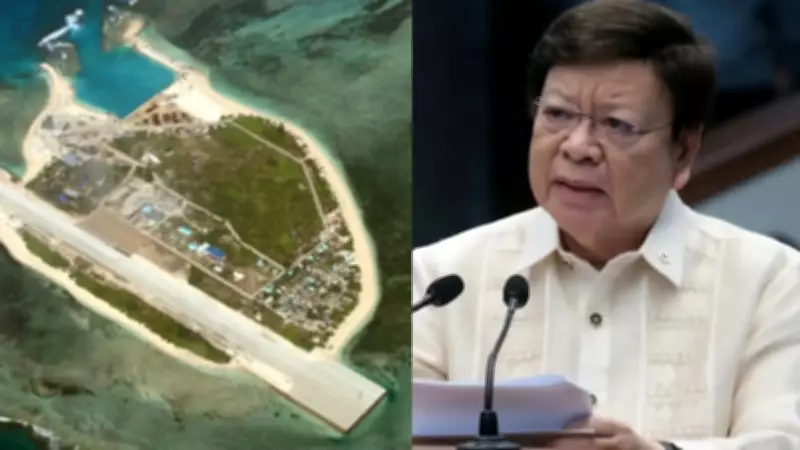
The municipal council of Kalayaan is set to deliberate today, February 10, on a significant resolution that formally opposes the controversial statement made by Senator Rodante Marcoleta, which suggested that the Philippines should surrender the Kalayaan Island Group (KIG). This development comes amid growing tensions over national sovereignty and territorial claims in the region.
Scheduled Deliberation and Official Session
According to Kalayaan Vice Mayor Maurice Philip Alexis Albayda, the deliberation on this resolution is scheduled to take place during the regular session of the Sangguniang Bayan. The council aims to address the implications of Marcoleta's remarks, which have sparked widespread criticism from local officials and community members in Kalayaan.
Objectives of the Resolution
The primary objective of the resolution is to formally request the Committee on Appointments (CA) to erase Senator Marcoleta's statement from the official record or transcript of the recent committee hearing. This move underscores the council's commitment to upholding the Philippines' sovereign claims over the KIG and rejecting any suggestions of surrender.

Background on the Controversial Statement
Senator Marcoleta made the controversial statements last week, including the suggestion that surrendering the KIG, which he claimed is outside the exclusive economic zone (EEZ) of the Philippines, would facilitate better coordination. However, these remarks have been met with strong opposition from Kalayaan's local officials, who have reiterated the Philippines' sovereign rights over the islands.
Local Reactions and Sovereign Claims
The resolution highlights the firm stance of Kalayaan's leadership in defending the nation's territorial integrity. Vice Mayor Albayda and other council members have emphasized that the KIG is an integral part of the Philippines, and any talk of surrender is unacceptable. This deliberation is expected to reinforce the community's resolve and send a clear message to national policymakers.
As the council convenes today, the outcome of this debate could have broader implications for national discourse on sovereignty and foreign policy, particularly in relation to disputed territories in the region.