In a firm response to escalating global tensions, Malacañang has issued a strong warning to businesses exploiting the crisis to unjustly raise prices on essential goods. The government is simultaneously advancing measures to cushion the anticipated surge in oil costs, including a proposal to reduce excise taxes.
Government Cracks Down on Price Gouging
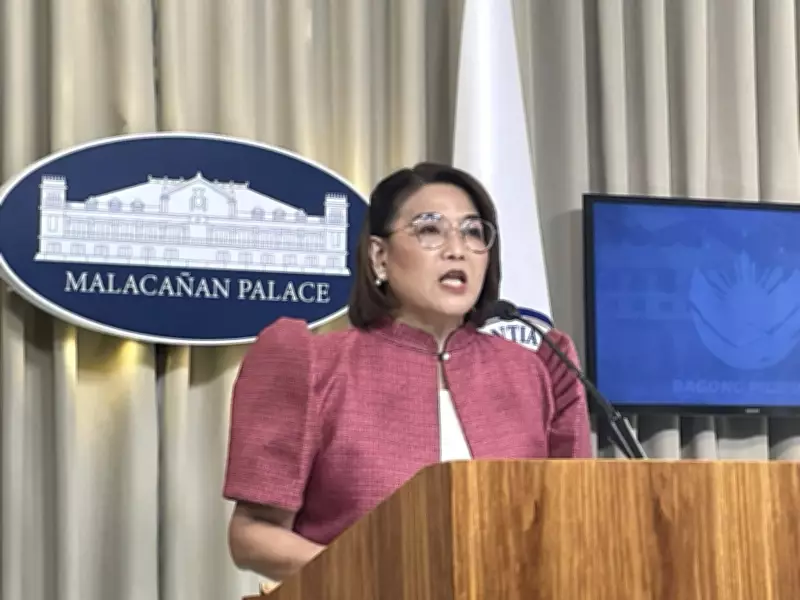
During a statement in New York City on Monday, official representative Castro emphasized that the administration will pursue legal action against any profiteers who use the Middle East conflict as a pretext for baseless price hikes. Castro stressed that the administration seeks unity and solidarity, not exploitation of fellow citizens. He warned of severe consequences for those found violating regulations, underscoring the government's commitment to protecting consumers from unfair practices.
Monitoring and Preparedness Efforts
President Ferdinand Bongbong Marcos Jr. has assured the public that the government is closely monitoring price movements of basic goods in markets nationwide. As a proactive step to address the expected spike in petroleum prices, the President is engaging with Congress to secure authority to trim excise taxes once crude oil exceeds $80 per barrel. This move aims to alleviate the financial burden on households and businesses amid economic uncertainties.

Background on Middle East Tensions
The heightened tensions in the Middle East follow recent US-Israeli airstrikes that resulted in the death of Iranian Supreme Leader Ayatollah Ali Khamenei. This geopolitical unrest has triggered concerns over potential disruptions to global oil supplies, prompting governments like the Philippines to prepare contingency plans. The situation underscores the interconnectedness of international conflicts and domestic economic stability, with officials urging calm and compliance from all sectors.