Manila City Government Shifts to Four-Day Workweek in Response to Fuel Price Hikes
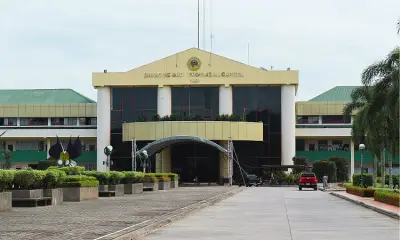
The Manila city government has officially announced the implementation of a four-day workweek for its employees, a strategic move aimed at mitigating the impact of escalating oil prices driven by heightened tensions in the Middle East. This decision comes as part of broader efforts to adapt to economic challenges affecting daily operations and public services.
Executive Order Details and New Work Schedule
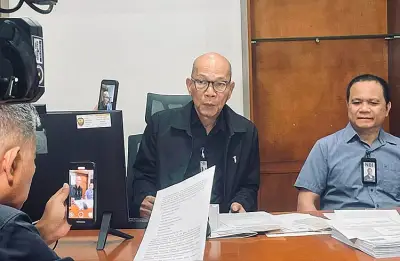
Mayor Francisco "Isko" Domagoso signed Executive Order No. 8, series of 2026 on Monday, establishing a condensed workweek from Monday to Thursday. Under this new arrangement, working hours have been adjusted: City Hall employees will now work from 7:00 AM to 6:00 PM, while other city staff will operate from 8:00 AM to 7:00 PM. Fridays and weekends are designated as non-working days, allowing for reduced commuting and energy consumption.
Continuity of Essential Services
Despite the shift in work schedules, the city government has assured residents that offices providing essential services will continue their operations without interruption. This measure ensures that Manileños receive consistent and reliable public services, maintaining functionality and support during this transitional period.

Background on Oil Price Increases and Global Context
The implementation of the four-day workweek is a direct response to the surge in gasoline and diesel prices, which have been exacerbated by ongoing conflicts in the Middle East. Recent joint military operations by the United States and Israel against Iran have intensified regional tensions, contributing to global oil market volatility and affecting local economies.
Alignment with National Government Initiatives
This local policy aligns with broader national efforts, as President Ferdinand Marcos Jr. recently announced a temporary four-day workweek for executive branch offices, effective Monday, March 9, 2026. The coordinated approach highlights a unified response to economic pressures, emphasizing adaptability and resilience in public administration.
The move by Manila reflects a proactive stance in addressing contemporary challenges, balancing operational efficiency with employee welfare and public service delivery amidst fluctuating global conditions.