President Marcos Issues Directives on Travel Tax and Political Dynasties Legislation
In a significant move, President Ferdinand Marcos Jr. has formally requested legislators to prioritize the passage of two key bills: one to abolish the travel tax and another to prohibit political dynasties in the Philippines. This directive was issued during the 3rd Legislative Executive Development Advisory Council (LEDAC) meeting held at Malacañang, underscoring the administration's commitment to legislative reforms.
Priority Bills Before Congressional Adjournment
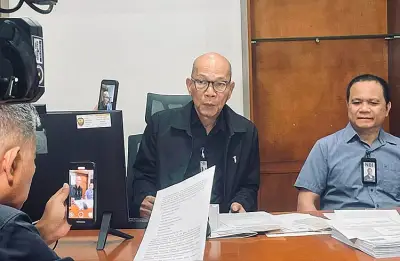
According to Communications Undersecretary Claire Castro, these measures are among 21 priority bills that the government aims to enact before Congress adjourns in June. The focus on these specific issues highlights their importance in the current political and economic landscape, with the travel tax removal potentially easing financial burdens on travelers and the political dynasties bill addressing long-standing governance concerns.
Rationale Behind Travel Tax Removal
Castro emphasized that many travelers are not merely tourists but individuals traveling for work, making the current tax structure a potential hindrance. Currently, based on data from the Tourism Infrastructure and Enterprise Zone Authority (TIEZA), passengers pay P2,700 for first-class seats and P1,620 for economy class in travel taxes. The proposed abolition could stimulate economic activity by reducing costs for both leisure and business travelers, fostering a more competitive environment.

Implications for Political Reform
The push to ban political dynasties aims to promote greater political diversity and reduce monopolies in governance, a topic that has been debated for years. By including this in the priority list, the Marcos administration signals a willingness to tackle systemic issues that affect democratic processes in the country.
This development marks a pivotal moment in Philippine legislative affairs, with potential impacts on travel, economy, and political integrity. As the June deadline approaches, stakeholders will be closely monitoring progress on these bills to assess their implementation and broader effects on society.