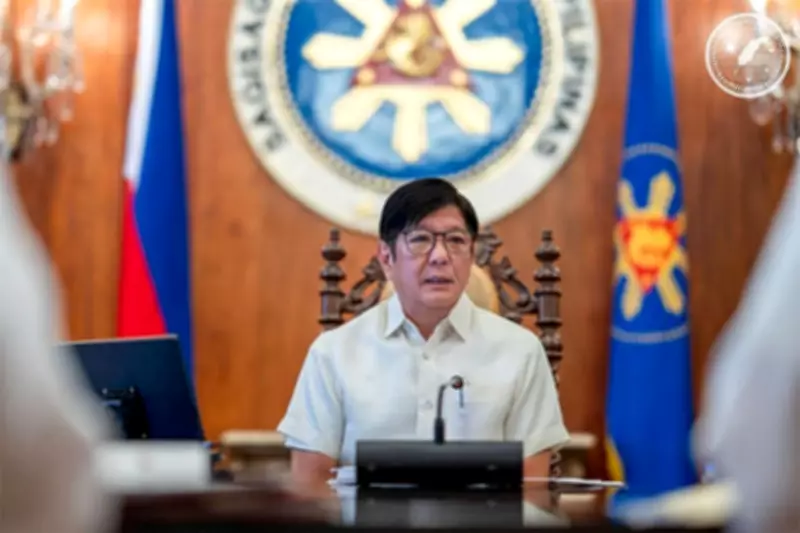
Marcos Jr. Advocates for Balanced Anti-Fake News Legislation
In a significant development from Malacañang, President Ferdinand "Bongbong" Marcos Jr. has expressed his support for an anti-fake news measure, but with a crucial caveat: it must clearly balance regulation with the protection of freedom of expression. This announcement was made on Tuesday, February 10, 2026, emphasizing the President's commitment to safeguarding democratic principles while addressing the growing issue of digital disinformation.
Emphasis on Protecting Dissent and Critical Views
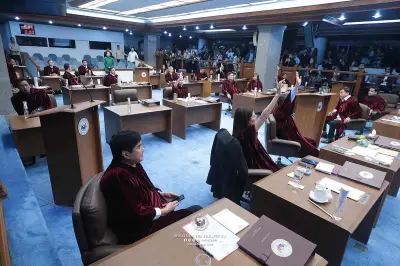
During a recent Legislative-Executive Development Advisory Council meeting, President Marcos highlighted the importance of not suppressing dissent or critical views against the government. The proposed bill against fake news and digital disinformation was among 21 priority measures targeted for passage by June, underscoring its urgency in the current political landscape.
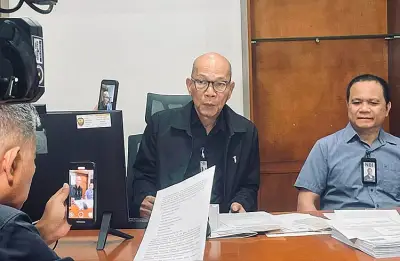
Presidential Communications Office Undersecretary and Palace Press Officer Claire Castro elaborated on the President's stance in Tagalog during a Palace briefing. She stated, "The President said it needs to be balanced because freedom of expression might be affected. There must be a clear definition of what we call fake news and disinformation." This clarity is seen as essential to prevent any misuse of the legislation.

Assurances Against Government Overreach
Castro provided strong assurances that the proposed measure will not be utilized to crack down on legitimate dissent or critical perspectives. She affirmed, "The President will not allow any violation of the freedom of expression or freedom of speech of our people." This commitment aims to alleviate concerns about potential government overreach and maintain public trust in the legislative process.
Broader Legislative Priorities
Beyond the anti-fake news proposal, President Marcos has prioritized several other key legislative initiatives, including:
- Travel tax abolition to boost tourism and economic activity.
- Online child protection measures to safeguard minors in digital spaces.
- Bangsamoro elections to support regional autonomy and peace efforts.
- Political dynasty reform to address governance and electoral fairness.
Regarding the anti-political dynasty bill, Castro noted that the President has not yet endorsed specific provisions, as Congress is still conducting public consultations. She explained that once lawmakers finalize their proposals, Marcos will assess which version to support, indicating a deliberative approach to this contentious issue.
This balanced stance on anti-fake news legislation reflects the administration's effort to tackle misinformation while upholding constitutional rights, setting a precedent for future policy discussions in the Philippines.