OCTA Survey Shows Majority of Filipinos Trust National Government's Problem-Solving Ability
According to the latest Tugon ng Masa (TNM) survey released by OCTA Research on Monday, February 9, 2026, a majority of adult Filipinos express confidence in the national government's capability to effectively address the country's pressing issues. The survey, conducted in the fourth quarter of 2025, provides a comprehensive snapshot of public sentiment toward governance and political representation in the Philippines.
Survey Findings: Trust Levels and Regional Variations
The survey results indicate that 55 percent of respondents trust the national government to handle problems effectively, while 20 percent express distrust. A significant portion, 25 percent, remains undecided or ambivalent, suggesting that while confidence exists, it is not yet fully solidified among all citizens.
Trust levels vary notably across different regions of the country:

- Visayas recorded the highest trust at 68 percent.
- National Capital Region (NCR) and Balance Luzon each posted lower trust levels of 49 percent.
OCTA Research attributes these regional differences to factors such as greater exposure to policy debates, more critical evaluations of government performance, increased access to information, and heightened political engagement in urban and politically dense areas like NCR and Luzon.
Socioeconomic Class Insights and Political Disconnection
Across socioeconomic classes, trust in the national government remains at majority levels, ranging from 53 percent to 56 percent. However, distrust is most pronounced among class ABC respondents, with 27 percent expressing skepticism. This indicates that more economically secure groups may have higher expectations and stricter standards for government performance.
Despite the overall trust in government institutions, the survey reveals a significant disconnection between citizens and their elected leaders. Only 31 percent of respondents believe that elected officials in Congress and local government value the views of people like them, while 61 percent feel they do not. This suggests that trust in institutions is stronger than trust in individual politicians.
Key Implications for Governance and Representation
OCTA Research emphasizes that the findings highlight a distinction between trust in government institutions and confidence in elected politicians. While institutions may be viewed as capable of functioning and delivering outcomes, elected officials themselves are often evaluated more critically in terms of responsiveness and attentiveness to public needs.
The research underscores that sustaining public confidence requires not only effective governance but also stronger perceptions of responsiveness and representation. Improvements in performance alone may not be sufficient to rebuild trust in elected officials unless citizens also feel heard and valued in the political process, according to OCTA.
Survey Methodology and Context
The non-commissioned survey was conducted through face-to-face interviews from December 3 to 11, 2025, among 1,200 adult respondents nationwide. OCTA Research reports a ±3 percent margin of error at the national level and ±6 percent for major geographic areas, ensuring statistical reliability.
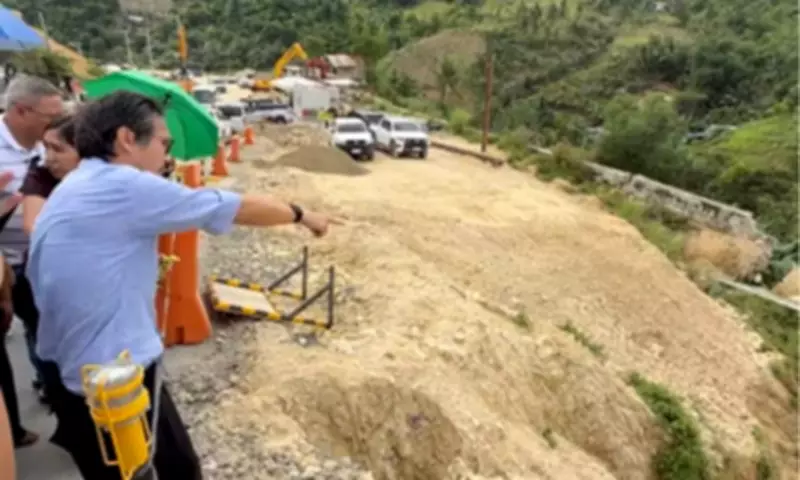
This survey comes at a time when government projects, such as the Metro Cebu Expressway in Naga City, Cebu, are under scrutiny, with Department of Public Works and Highways Secretary Vince Dizon recently inspecting unfinished construction sections. The findings provide valuable insights into public opinion as the government addresses infrastructure and other national challenges.