Philippines Approves P1.28 Billion Aid for Transport Workers Amid Oil Price Surge
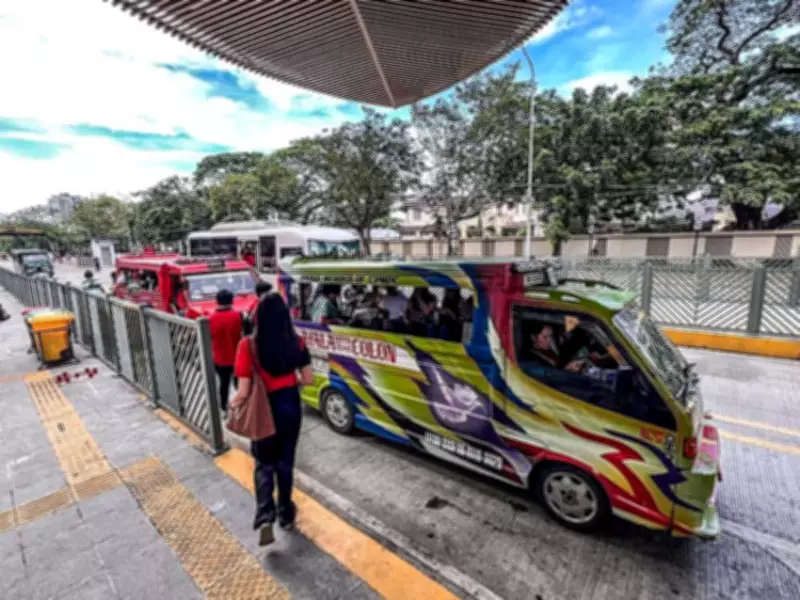
In response to the escalating oil price crisis fueled by ongoing conflicts in the Middle East, the National Government has announced a substantial financial support package totaling P1.28 billion for transport workers across the country. President Ferdinand Marcos Jr. confirmed this critical allocation in a recent video message, emphasizing the government's commitment to mitigating the economic impact on those in the transportation sector.
Distribution Timeline and Government Measures
The distribution of this additional cash assistance is scheduled to commence on April 6, 2026, as disclosed by President Marcos. While specific details on the distribution mechanism were not provided, the initiative aims to provide immediate relief to public utility vehicle drivers and other transport personnel grappling with rising fuel costs.
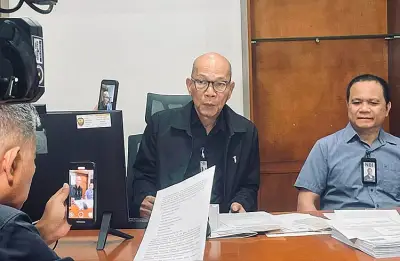
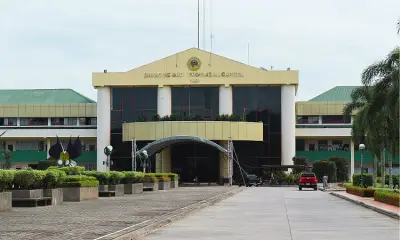
In a related development, Transportation Secretary Giovanni Lopez revealed on Tuesday, March 31, 2026, that the department is awaiting a P1 billion Special Allotment Release Order from the Department of Budget and Management. This funding is earmarked for the agency's service contracting program, designed to ensure steady income for drivers through fare subsidies and to offer free rides for commuters, thereby alleviating financial strain on both operators and passengers.

Comprehensive Support Initiatives
President Marcos outlined a series of proactive measures implemented by the government to address the broader implications of the oil crisis. Key among these is a 50-percent fare discount for LRT-2 and MRT-3 services, which is projected to benefit over 12 million additional passengers, enhancing affordability and accessibility for daily commuters.
Furthermore, free rides are currently being offered in major urban centers, including Metro Manila, Metro Cebu, and Metro Davao, providing temporary relief to passengers facing increased transportation expenses. The President also announced a temporary toll discount for jeepneys, buses, and freight food transport vehicles on major expressways, particularly in Luzon, aimed at reducing operational costs for transport operators.
Additional Economic Adjustments
In a move to support the agricultural sector, Marcos declared that starting April 15, ports will implement a reduced Roro terminal fee of P1 for vehicles transporting agricultural products. This measure is intended to lower logistics costs and stabilize food prices amidst the economic challenges posed by the oil crisis.
The Department of Labor and Employment has concurrently urged transport workers to avail themselves of emergency employment opportunities, reinforcing the government's multi-faceted approach to cushioning the impact of the Middle East conflict on local industries and livelihoods.