Philippine Senate Should Not Be a 'Safe Haven' for ICC Wanted Individuals, Lawyer Says
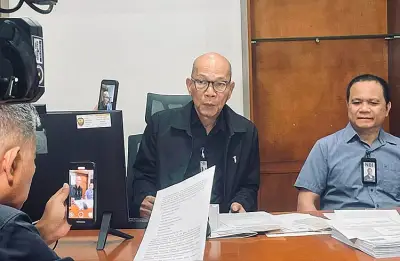
International Criminal Court (ICC)-accredited lawyer Gilbert Andres has strongly emphasized that the Philippine Senate must not serve as a refuge for individuals wanted for various international crimes. The seasoned attorney made this statement following the identification of Senator Christopher Go and Senator Ronald Dela Rosa as co-perpetrators alongside former President Rodrigo Duterte in the crimes against humanity case currently being pursued by the ICC.
Potential Protection During Senate Sessions
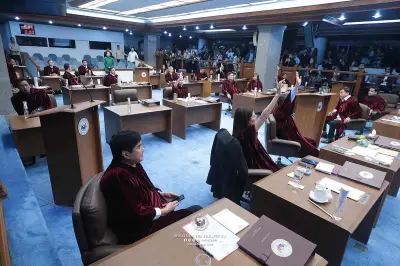
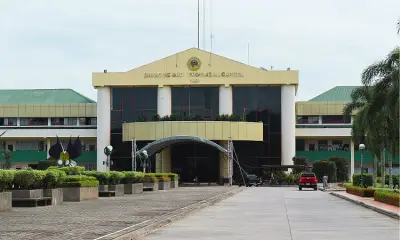
Andres explained that if the international tribunal eventually issues arrest warrants against the two senators, they could potentially be protected within the Senate while it is in session. Out of respect for the institution, he noted that it is appropriate to honor this protection, which the Senate can provide to its members during official proceedings. However, he clarified that the two senators could still be arrested when they are outside or have completely exited the premises or compound of the upper house of Congress.
Following Established Legal Processes
According to Andres, the Philippine government could still follow the process implemented against former President Duterte, where after his arrest in the country, he was subsequently surrendered to the ICC, the court that issued the warrant against the former leader. The lawyer firmly maintained that the upper chamber should not harbor anyone being pursued by the law, especially those with existing arrest warrants due to involvement in international crimes.

Background on the Senators
Both Senator Go and Senator Dela Rosa are members of the 18th, 19th, and 20th Congress, and they are two of the closest officials to former President Duterte. Their alleged roles in the ICC case have brought significant attention to the legal and political implications of their positions within the Philippine government.
The statement from lawyer Gilbert Andres highlights ongoing tensions between national sovereignty and international legal obligations, as the Philippines navigates its relationship with the ICC and addresses allegations of serious human rights violations.